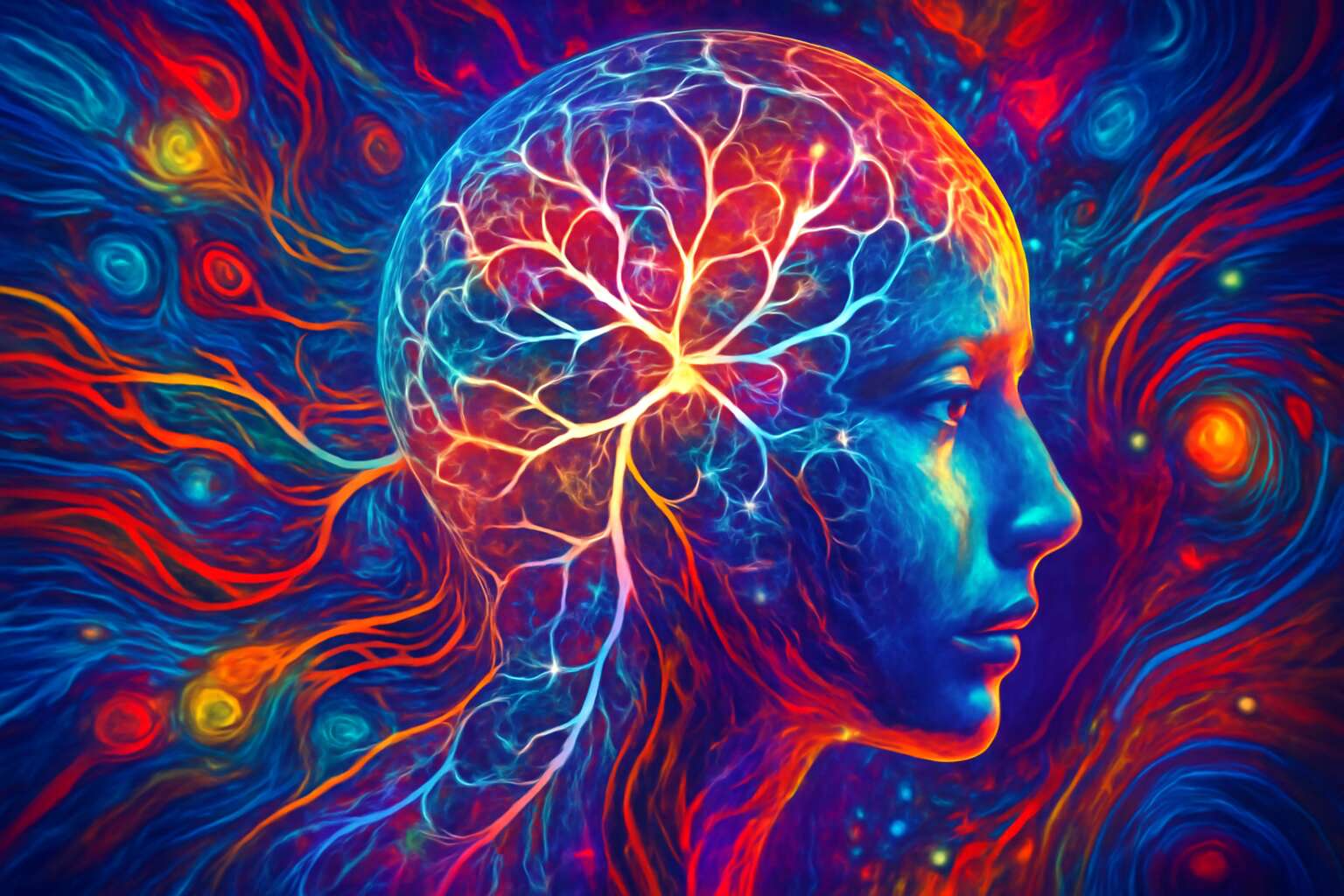
Understanding AI-Generated Images
What Are AI-Generated Images?
Artificial intelligence generated images are transforming the landscape of visual creativity, blurring the lines between human artistry and machine innovation. Imagine a world where a few simple prompts can produce breathtaking, intricate visuals that once required hours of manual effort—this is no longer science fiction but reality. These images, crafted through complex algorithms, leverage deep learning models to interpret text, style, and context, resulting in visuals that can be both surreal and hyper-realistic.
What sets artificial intelligence generated images apart is their capacity for limitless variation and precision. They enable creators to experiment with concepts that might be impossible or impractical to produce physically. For instance, AI can generate images that depict futuristic cityscapes or fantastical creatures, all rooted in the nuances of human imagination. This technological leap invites us to reconsider the very essence of artistic expression and visual communication.
Furthermore, understanding how these images are created reveals a fascinating interplay of data and algorithms.
- Training datasets serve as the foundation, providing the AI with a vast repository of visual styles and objects.
- Neural networks interpret prompts and generate images based on learned patterns.
As a result, each AI-generated image is a unique amalgamation of learned aesthetics and creative intention—an echo of human ingenuity amplified by machine learning. This convergence sparks both awe and philosophical questions about originality, authenticity, and the future of visual arts.
Historical Evolution of AI Art
Throughout history, the evolution of art has been a testament to human ingenuity, constantly pushing the boundaries of what is possible. When it comes to artificial intelligence generated images, this progression is nothing short of revolutionary. The journey began with rudimentary algorithms that could mimic basic styles, but today, deep learning models can craft visuals that rival the most sophisticated human creations. This development signals a new epoch where machines are no longer mere tools but active collaborators in the creative process.
In the early days, artists and technologists experimented with algorithmic art, laying the groundwork for what would become a flourishing field. As neural networks grew more complex, they began to interpret vast datasets, enabling the generation of images imbued with depth, texture, and nuance. This era of AI art has seen a remarkable shift from simple pattern recognition to the creation of art that evokes emotion and wonder, blurring the line between digital and organic forms.
Key milestones in this evolution include the emergence of generative adversarial networks (GANs), which introduced an element of realism and unpredictability. These breakthroughs led to an explosion of possibilities, including:
- Futuristic landscapes imagined from scratch
<li Fantastical creatures born from algorithmic dreamscapes
<li Intricate abstract compositions that challenge perception
Each step in this odyssey of artificial intelligence generated images underscores the profound symbiosis between human inspiration and machine precision, heralding a colourful future where imagination knows no bounds.
How AI Creates Digital Art
Artificial intelligence generated images have transformed the landscape of digital art, offering a glimpse into a future where creativity is no longer confined by human limitations. At its core, AI creates these stunning visuals by analysing vast amounts of data, learning patterns, and then synthesising new images that often seem to transcend traditional artistic boundaries. It’s a remarkable process that combines machine precision with an almost instinctive sense of aesthetic flair.
This process hinges on sophisticated algorithms that interpret input prompts or datasets to produce unique visuals. Unlike classic digital tools, AI doesn’t simply replicate; it innovates—crafting artwork that can evoke emotion, surprise, and wonder. The key to this lies in the ability of models such as generative adversarial networks (GANs) to generate hyper-realistic images, blurring the line between machine-made and organic artistry.
For those keen to understand the mechanics, consider the following steps involved in creating artificial intelligence generated images:
- Data ingestion: Feeding the AI vast datasets of artworks, photographs, or styles.
- Pattern recognition: The algorithm identifies key features, textures, and colour schemes.
- Image synthesis: Combining learned elements to produce a new, cohesive visual masterpiece.
In essence, artificial intelligence generated images exemplify a harmonious blend of technological innovation and creative expression—an intriguing testament to how machines are increasingly becoming collaborators in the art world’s ongoing narrative.
Key Technologies Behind AI Image Generation
Behind every captivating piece of artificial intelligence generated images lies a complex web of innovative technologies. These systems harness sophisticated algorithms that interpret and transform data into visual masterpieces, often with astonishing realism. What makes this process truly fascinating is the way these algorithms learn to mimic artistic styles and textures, creating images that seem to breathe with originality.
At the heart of AI image generation are key technological components, including deep learning models and neural networks. These tools enable computers to understand intricate visual patterns, enabling the creation of hyper-realistic visuals. One particularly intriguing technology is the use of generative adversarial networks (GANs), which pit two neural networks against each other — one generating images, the other evaluating them. This dynamic fosters the production of increasingly sophisticated and authentic visuals.
For those seeking a deeper understanding, consider the foundational steps involved in generating artificial intelligence generated images:
- Training on vast datasets of images, styles, and artistic techniques.
- Recognition of distinct features such as textures, colour palettes, and composition.
- Synthesis of new visuals by blending learned elements into cohesive, innovative artworks.
This technological dance between data and creativity illustrates the incredible potential of AI to redefine what we perceive as art — a relentless pursuit of the extraordinary within machine learning’s enigmatic realm.
Popular AI Image Generation Tools and Platforms
Top AI Art Generators in 2024
In a world where pixels reign supreme, the top AI art generators of 2024 are transforming the creative landscape faster than you can say “digital Picasso.” These platforms don’t just create images — they conjure visions from thin air, powered by sophisticated algorithms that make even the most sceptical art critic do a double take. If you’re eager to explore the realm of artificial intelligence generated images, this year’s crop of tools is nothing short of revolutionary.
Leading the charge are platforms like Midjourney and DALL-E 3, which have become household names for digital artists and brands alike. Their secret sauce? An uncanny ability to translate text prompts into visually stunning masterpieces — all without a brush or paint. For those craving more customisation, tools like Artbreeder and Runway ML offer a playground of endless creative possibilities, perfect for generating unique visuals that stand out in a crowded digital space.
Top AI Art Generators in 2024
- Midjourney — Known for its artistic flair, Midjourney excels at turning vague descriptions into evocative images that often look like modern art masterpieces.
- DALL-E 3 — The latest iteration from OpenAI, offering astonishing realism and detail, making it a go-to for hyper-detailed artificial intelligence generated images.
- Stable Diffusion — An open-source marvel that empowers artists and developers to create custom AI models tailored to specific visual styles and needs.
Features and Capabilities
Popular AI image generation tools in 2024 are pushing the boundaries of creativity, offering capabilities that seem almost supernatural. These platforms harness cutting-edge algorithms to produce images that are not only visually striking but also highly customised. Whether you’re aiming for hyper-realistic visuals or abstract masterpieces, today’s AI tools deliver with astonishing precision. Their features often include intuitive interfaces that allow users to input simple prompts and receive complex, layered images in return.
Some platforms stand out because of their unique capabilities. For example, they may incorporate style transfer, enabling artists to blend different visual genres seamlessly. Others excel at generating high-resolution images suitable for commercial use. The versatility of these tools means that whether you’re a digital artist, marketer, or content creator, you can find an AI image generation platform that aligns perfectly with your creative goals.
- Advanced prompt understanding — the ability to interpret and translate detailed descriptions into accurate visuals.
- Customisable outputs — control over elements such as colour palette, composition, and style to create truly unique images.
- Seamless integration — compatibility with other creative tools and workflows, making the process smooth and efficient.
As the realm of artificial intelligence generated images continues to evolve, these platforms are transforming the way we conceptualise and craft digital art. The power to conjure intricate visuals from mere words is no longer a futuristic fantasy — it’s a tangible reality that’s reshaping the creative landscape today!
Comparing Free and Paid Options
In the bustling marketplace of artificial intelligence generated images, the choice between free and paid platforms can feel akin to selecting the perfect wine—subtle nuances, exquisite differences, and a touch of sophistication matter. Free tools, like DALL·E Mini or Artbreeder, offer a tantalising glimpse into the potential of AI-generated visuals without demanding a penny. They’re ideal for casual experimentation or those dipping their toes into the world of digital artistry, all while showcasing the remarkable capabilities of artificial intelligence generated images.
However, for the discerning creator seeking precision, higher resolution outputs, and advanced customisation, paid options such as Midjourney or Adobe Firefly come to the fore. These platforms often boast superior style transfer, seamless integration with professional workflows, and dedicated customer support. An interesting fact: many professional digital artists prefer paid tools precisely because they unlock the full spectrum of AI’s creative prowess, turning fleeting ideas into polished masterpieces.
- Cost: Free options are budget-friendly but may lack the depth of customisation.
- Quality: Paid platforms tend to generate higher-resolution images suitable for commercial use.
- Features: Advanced prompt understanding and style transfer are often exclusive to paid subscriptions.
Ultimately, whether you opt for a free or paid platform hinges on your specific needs and aspirations—each has its charm, but only one can truly elevate your pursuit of art in the age of artificial intelligence generated images.
User-Friendly Interfaces for Beginners
In the realm of artificial intelligence generated images, user-friendly platforms are revolutionising access for beginners. These tools are designed with intuitive interfaces that demystify complex processes, making AI art creation accessible to all skill levels. It’s fascinating how some platforms allow users to produce stunning visuals with just a few clicks, eliminating the steep learning curve traditionally associated with digital art.
Popular AI image generation tools like DALL·E 2, Canva’s AI features, and NightCafe Studio have gained momentum for their simplicity and versatility. They often feature guided prompts, real-time previews, and easy adjustments, empowering users to experiment freely without technical barriers. For those new to the landscape of artificial intelligence generated images, these platforms are a perfect entry point, seamlessly blending creativity with technology.
- Intuitive design for quick onboarding
- Pre-set styles and templates for instant results
- Built-in tutorials and community support
Such features ensure that even novices can produce professional-quality images, unlocking the potential of artificial intelligence generated images to elevate their projects effortlessly. In this fast-evolving digital age, embracing these accessible tools opens a new frontier of creative possibilities.
Applications and Use Cases of AI-Generated Images
Creative Industries and Digital Art
In the realm of creative industries and digital artistry, the emergence of artificial intelligence generated images has catalysed a profound transformation. These innovations transcend traditional boundaries, empowering artists and designers to explore uncharted visual territories with unprecedented ease. From surreal landscapes to hyper-detailed portraits, AI-generated images serve as an inexhaustible wellspring of inspiration, challenging preconceived notions of creativity itself.
For digital artists, these tools open up a world of possibilities—allowing rapid iteration, customisation, and the realisation of concepts that once seemed relegated to the realm of fantasy. The integration of artificial intelligence generated images into commercial workflows has also revolutionised advertising, fashion, and gaming industries, where visual impact is paramount. By harnessing sophisticated algorithms, creators can produce stunning visuals that resonate deeply with audiences, forging a powerful emotional connection.
Furthermore, the utilisation of artificial intelligence generated images extends into augmented reality and virtual environments, where hyper-realistic visuals are crucial for immersive experiences. As this technology continues to evolve, its potential to redefine aesthetic standards and creative boundaries remains boundless, promising a future where art and technology are seamlessly intertwined.
Marketing and Advertising
In the high-stakes world of marketing and advertising, visual content reigns supreme — a fact proven by studies showing that images can boost engagement by up to 80%. Enter the realm of artificial intelligence generated images, a game-changer that transforms how brands craft their visual narratives. These digital marvels enable marketers to produce eye-catching, custom visuals at a fraction of traditional costs and time. No longer confined by stock image libraries, companies can now generate bespoke images that perfectly align with their brand identity and campaign message.
From personalised product visuals to surreal campaign backdrops, artificial intelligence generated images open a universe of creative possibilities. For instance, some brands leverage AI to craft hyper-realistic virtual models or fantastical environments that captivate audiences and spark social media buzz. Additionally, AI-driven image generation streamlines the creative process, allowing teams to rapidly iterate and experiment with different concepts, ultimately accelerating go-to-market timelines.
In the fast-evolving landscape of digital marketing, the versatility of AI-generated images ensures that brands stay ahead of the curve. Whether it’s producing compelling visuals for online adverts or designing immersive virtual environments, this technology continues to redefine what’s possible in visual storytelling. As the sophistication of artificial intelligence generated images grows, so too does their potential to revolutionise marketing strategies and elevate brand presence in a crowded digital marketplace.
Gaming and Entertainment
In the gaming and entertainment worlds, artificial intelligence generated images are transforming how immersive experiences are crafted. From hyper-realistic characters to fantastical worlds, AI is giving creators a new palette to paint with—minus the hefty price tag and months of rendering agony. Imagine designing a virtual universe where every pixel is tailor-made to captivate audiences—no sweat, no waiting in line for rendering farms. AI-driven image generation allows developers to produce striking visuals with swift efficiency, making game worlds richer and more detailed than ever before.
For instance, AI can generate intricate backgrounds, character skins, or even entire landscapes that adapt in real-time to gameplay, creating a dynamic visual experience that keeps players hooked. Some innovative studios incorporate artificial intelligence generated images to craft concept art, giving them rapid iteration capabilities that traditional methods simply can’t match. Furthermore, AI’s versatility extends to creating surreal visuals for film or virtual concerts, where the boundaries between reality and fantasy blur into delightful chaos.
- Rapid visual prototyping of game characters and environments
- Generating customised avatars that reflect players’ personalities
- Creating stunning virtual backdrops that captivate social media audiences
The ability of artificial intelligence generated images to revolutionise storytelling in gaming and entertainment is nothing short of spectacular. As this technology continues to evolve, it’s clear that the future of visual content in entertainment will be more vibrant, more personalised, and infinitely more imaginative—thanks to AI’s digital brushstrokes.
Educational and Scientific Visualization
In the vast realm of scientific discovery and education, artificial intelligence generated images are revolutionising visualisation methods, rendering complex data into compelling, digestible visuals. These images transcend traditional charts and static diagrams, offering dynamic, multi-dimensional representations that deepen understanding and engagement. For instance, in molecular biology, AI can craft vivid, accurate visualisations of microscopic structures, elucidating intricate biological processes with unprecedented clarity.
Educational institutions and research organisations increasingly leverage artificial intelligence generated images to create immersive learning experiences. These visuals facilitate an intuitive grasp of abstract concepts, transforming dry information into evocative narratives that resonate with learners. Moreover, AI-driven image generation can simulate phenomena that are otherwise impossible to observe directly, such as astronomical events or climate models.
For scientific visualisation, the potential is further amplified by the ability of artificial intelligence generated images to adapt in real-time, allowing researchers to explore data interactively. This capability fosters a deeper connection to the subject matter, ultimately catalysing innovation and discovery. By harnessing these transformative visualisation tools, educators and scientists can paint a richer, more detailed picture of the universe—one pixel at a time.
Ethical Considerations and Challenges
Authorship and Copyright Issues
As the realm of artificial intelligence generated images expands, a complex web of ethical considerations begins to unfold. The power to create stunning visuals with a few keystrokes raises profound questions about authorship and ownership. Who truly owns an image crafted by an algorithm? The lines between human creativity and machine output become increasingly blurred, challenging traditional notions of artistic integrity.
One of the most pressing issues involves copyright issues. When an AI model learns from a vast database of existing artworks, it can inadvertently replicate styles or elements, leading to disputes over intellectual property rights. This grey area has prompted calls for clearer legal frameworks, especially as the technology becomes more sophisticated. The challenge lies in balancing innovation with respect for original creators, ensuring that the benefits of artificial intelligence generated images do not come at the expense of artistic fairness.
In response, some advocate for transparent attribution and licensing standards that recognise both human input and machine assistance.
- Informed consent from original artists
- Clear licensing agreements for AI-generated content
These measures aim to cultivate an ethical landscape where creativity flourishes without infringing on rights or fostering misuse. As AI continues to shape visual culture, navigating these challenges thoughtfully remains crucial to harnessing its full potential responsibly.
Bias and Representation in AI Art
Artificial intelligence generated images are revolutionising the creative landscape, but not without stirring a potent cocktail of ethical dilemmas. As these digital masterpieces become more sophisticated, questions about bias and representation emerge from the shadows. After all, an AI trained on biased datasets risks perpetuating stereotypes, inadvertently skewing visual narratives and reinforcing societal prejudices. This is no trivial matter; it’s a digital mirror reflecting our collective biases back at us.
Addressing these issues requires vigilance and transparency. Developers and artists must collaborate to ensure diverse training data and actively monitor outputs. Some advocate for transparent attribution and rigorous licensing standards, making sure that AI-generated images don’t become tools for misrepresentation or discrimination. Ultimately, the challenge lies in harnessing the creative potential of artificial intelligence generated images while safeguarding against bias—because in the world of AI art, fairness isn’t just a moral choice, it’s a necessity.
Potential for Misinformation
While artificial intelligence generated images unlock astonishing creative horizons, they also pose significant ethical challenges that cannot be ignored. The potential for misinformation grows as these digital artworks become more convincing, blurring the lines between reality and fabrication. This raises urgent questions about authenticity and the power to deceive, especially when AI-generated images are weaponised to spread false narratives or manipulate public opinion.
To combat this, transparency becomes paramount. Clear disclosure of AI involvement in image creation can help maintain trust, yet it’s not always straightforward. Some experts suggest establishing rigorous standards for licensing and attribution, ensuring that AI-generated images are used ethically and responsibly. As this technology advances, vigilance in monitoring outputs is essential—because in the realm of AI art, unchecked misuse could undermine the very credibility of digital visual storytelling.
Future Ethical Frameworks
As artificial intelligence generated images become more sophisticated, they usher in a new era of creative possibility—yet this technological marvel also stirs a delicate ethical cauldron. Navigating the moral landscape of AI art requires a finely tuned compass, especially as these images blur the lines between reality and fabrication. The challenge lies not just in creating stunning visuals but in ensuring they do not deceive or distort truth—an issue that demands vigilant oversight.
Future ethical frameworks for AI-generated imagery must strike a delicate balance between innovation and responsibility. Establishing standards for transparency and attribution is paramount, as is fostering a culture of accountability. Some experts advocate for rigorous licensing protocols to prevent misuse, ensuring that the power of artificial intelligence generated images is harnessed ethically and responsibly.
- Clear disclosure of AI involvement
- Rigorous licensing standards
- Accountability in usage
These measures could serve as safeguards against the weaponisation of digital art for false narratives or malicious manipulation, safeguarding the credibility of visual storytelling in the digital age.
As the technology evolves, so too must the moral compass guiding its use. Developing ethical guidelines that adapt to new challenges will be essential—after all, the allure of artificial intelligence generated images is matched only by the responsibility of wielding such power wisely. Without it, the risk of eroding trust in digital visuals looms large, threatening to turn art into a tool for deception rather than inspiration.
The Future of AI-Generated Imagery
Emerging Trends and Innovations
The horizon of artificial intelligence generated images is shifting rapidly, revealing emerging trends that challenge our perception of creativity itself. As algorithms become more sophisticated, we’re witnessing a profound convergence of technology and artistry, blurring the lines between human intuition and machine precision. One intriguing trend is the utilisation of deep learning models that continuously refine their output, fostering hyper-realistic and surreal visuals that push creative boundaries.
Innovations such as real-time image synthesis and adaptive style transfer are transforming industries from digital art to scientific visualisation. These advancements not only enhance visual fidelity but also democratise artistic expression, allowing creators to manipulate complex concepts effortlessly. The future promises an evolution where artificial intelligence generated images will be indistinguishable from traditional artwork, raising questions about authorship and authenticity. It’s a fascinating, if daunting, vista—one where the ethical frameworks surrounding AI art will become as vital as the technology itself.
- Enhanced realism and detail through neural network improvements
- Greater integration with virtual and augmented reality environments
- personalised AI-generated imagery tailored to individual preferences
Integration with Augmented Reality and Virtual Reality
The future of artificial intelligence generated images is dazzling with promise, especially as their integration with augmented reality (AR) and virtual reality (VR) begins to reshape our sensory landscape. Imagine stepping into a world where digital visuals seamlessly blend with real-world environments, transforming everyday experiences into immersive masterpieces. This convergence isn’t merely a fantasy; it’s an unfolding reality that is captivating industries from gaming to scientific visualisation.
In this brave new frontier, neural networks are refining their capabilities to produce hyper-realistic scenes that adapt on the fly, responding to user interactions with uncanny precision. As the technology evolves, we’re witnessing a shift towards personalised AI-generated imagery—tailored visuals that reflect individual preferences and behaviours, creating a deeply customised experience. This not only elevates user engagement but also unlocks new dimensions of creative expression.
- Enhanced realism through neural network improvements that render intricate details with astounding clarity.
- Deeper integration of AI-generated images within AR and VR environments, blurring the boundaries between digital and physical worlds.
- Real-time adaptive style transfer that allows seamless visual updates and personalised content creation.
Such advancements herald a future where artificial intelligence generated images won’t just augment reality—they will become an intrinsic part of it, inviting us to explore worlds both imagined and authentic with unprecedented immediacy and intimacy. The horizon gleams with possibilities, promising a landscape where technological artistry and human creativity dance in harmonious synergy—an enchanting tableau of what’s to come.
Impact on the Creative Industry
The future of the creative industry is poised on the cusp of a revolutionary dawn, where artificial intelligence generated images are reshaping the very fabric of artistic expression. As neural networks grow more sophisticated, they unlock a realm of possibilities that once belonged only to the realm of human imagination. The ethereal dance between technology and artistry promises a landscape where visuals are no longer static but alive, responding dynamically to the whims of creators and audiences alike.
In this burgeoning era, the integration of artificial intelligence generated images into various sectors heralds a new paradigm of innovation. From immersive virtual exhibitions to bespoke marketing campaigns, the capacity for hyper-realistic visuals to adapt and evolve in real-time is transforming the way stories are told and experiences are crafted.
- Enhanced visual realism
- Personalised content creation
- Seamless virtual environments
These advancements do not merely augment the creative process—they redefine it, elevating it to a symphony of human ingenuity and machine precision.
As the boundaries between the digital and physical worlds continue to blur, the creative industry stands at the threshold of an artistic renaissance—one where artificial intelligence generated images serve as both canvas and muse. The horizon gleams with the promise of uncharted artistic territories, inviting creators to explore with unbridled passion and unprecedented immediacy. The potential for innovation is boundless, and the heartbeat of this transformation resonates with the timeless human desire to envision and realise the extraordinary.
Regulatory and Legal Developments
The dawn of artificial intelligence generated images heralds a new epoch in creative expression, yet as this transformative power ascends, so too does the urgency for thoughtful regulation and legal oversight. The rapid proliferation of these digital visions challenges traditional notions of authorship, ownership, and authenticity, prompting a seismic shift in the legal landscape.
Regulatory frameworks are beginning to grapple with the complexities of AI-driven artistry, striving to balance innovation with ethical responsibility. Governments and industry leaders are exploring policies that address issues such as intellectual property rights, liability, and the potential for misuse. This evolving arena demands a nuanced approach—one that preserves creative freedom while safeguarding against exploitation.
In the pursuit of clarity, some regions are considering
- licensing models tailored for AI-generated images
- strict attribution standards
- measures to combat deepfake technology
These initiatives aim to create a robust legal foundation, ensuring artificial intelligence generated images are used ethically and transparently, fostering trust in this burgeoning digital frontier. As the boundaries of legality stretch and bend, the future of AI art remains as much a matter of policy as of technological marvel.