Popular IDEs and Code Editors for PHP Development
Visual Studio Code - Features and extensions for PHP
Amidst the labyrinth of tools for PHP development, few shine as brightly as Visual Studio Code—an elegant forge where code is crafted with precision and grace. Its lightweight nature belies the formidable power it wields, transforming the mundane act of coding into a symphony of efficiency. With a treasure trove of extensions, developers can tailor their environment to suit their every whim, turning the editor into a bespoke workshop of innovation.
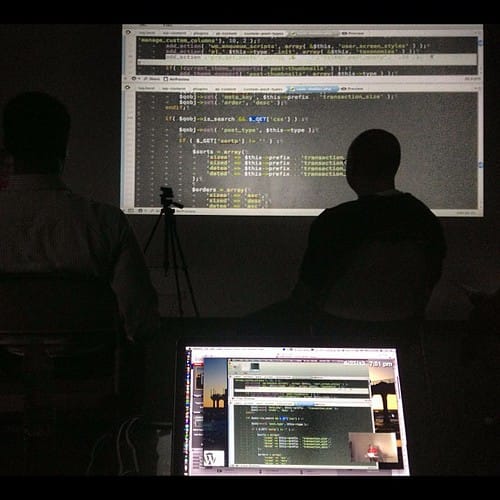
For those seeking to elevate their PHP coding experience, Visual Studio Code offers a cornucopia of features: intelligent code completion, real-time debugging, and seamless integration with version control systems. These tools for PHP development are designed not just to streamline workflows but to ignite the creative spark within every programmer. Its flexibility ensures that whether you’re a seasoned artisan or a budding craftsman, your journey through PHP development is both inspiring and productive.
In this realm of digital craftsmanship, the beauty lies in the details—extensions like PHP Intelephense, PHP Debug, and Laravel snippets transform Visual Studio Code into a powerhouse of productivity. The interface, minimalist yet profoundly capable, beckons developers to dive deep into their code, confident that the environment adapts effortlessly to their needs. Truly, in the pantheon of tools for PHP development, Visual Studio Code stands as a luminous beacon guiding developers through the complex yet captivating world of PHP.
PhpStorm - Comprehensive PHP IDE and its capabilities
When it comes to mastering tools for PHP development, few options rival the robustness of PhpStorm. This comprehensive PHP IDE is a powerhouse designed to elevate your coding experience to supernatural levels. With its intelligent code analysis, detailed debugging capabilities, and seamless integration with popular PHP frameworks, PhpStorm transforms the mundane into the extraordinary.
What truly sets PhpStorm apart is its ability to anticipate your needs. Features like live templates, refactoring tools, and built-in database tools streamline complex workflows, making development feel almost like a ritual. Its deep understanding of PHP code ensures that errors are caught early, saving precious time and frustration.
- Advanced code navigation
- Real-time code analysis
- Integration with version control systems
- Support for popular PHP frameworks like Laravel and Symfony
In the realm of tools for PHP development, PhpStorm remains a beacon of innovation—an essential asset for developers seeking to craft their projects with precision and confidence. Its blend of power and finesse makes it an unrivaled choice for those who demand excellence in their coding environment.
Sublime Text - Lightweight editor with PHP plugins
Among the constellation of tools for PHP development, the allure of a lightweight code editor can be incredibly captivating. Enter Sublime Text—a sleek, nimble sanctuary for coders who crave speed and simplicity. Despite its minimalist façade, Sublime Text is a powerhouse, especially when augmented with PHP plugins that transform it into a versatile environment for dynamic PHP scripting. Its rapid response time and intuitive interface make it a favorite among developers seeking efficiency without sacrificing elegance.
What makes Sublime Text stand out in the realm of tools for PHP development is its ability to adapt seamlessly to your workflow. With a rich ecosystem of plugins and packages, it can support syntax highlighting, code snippets, and even advanced debugging tools. For those who enjoy crafting their own custom workflows, its command palette and multi-caret editing features are nothing short of magical.
- Elegant, distraction-free interface
- Fast startup and response times
- Customizable with a vast library of PHP plugins
- Powerful search and replace capabilities
In South Africa’s vibrant tech landscape, where innovation dances with tradition, Sublime Text provides a reliable yet enchanting tool for PHP developers. It’s not just a code editor—it’s a canvas where ideas come alive with every keystroke, making it a vital piece of the puzzle among the many tools for PHP development.
Other Notable Editors - A few alternatives for PHP coding
In the ever-evolving landscape of tools for PHP development, the choice of an IDE or code editor often defines the rhythm of a developer’s day. Beyond the giants like Visual Studio Code and PhpStorm, there exists a spectrum of alternatives that cater to diverse workflows and philosophical inclinations. These tools are not just functional—they embody different approaches to the craft, offering unique advantages that can elevate your PHP projects from mundane to masterful.
For those seeking a blend of simplicity and power, **NetBeans** remains a compelling option. Its open-source nature fosters a community-driven environment, rich with plugins and extensions that support PHP development. Alternatively, **Eclipse PDT** provides a robust platform for PHP coding, especially for developers who appreciate an integrated environment that seamlessly combines debugging, version control, and code management.
Sometimes, a minimalist approach fuels creativity. Editors like **Atom** or **Brackets**—both highly customizable—offer a distraction-free space for PHP development, enabling the mind to focus solely on problem-solving. They support a variety of extensions, making them adaptable for specific project needs, whether that’s syntax highlighting or code refactoring.
Choosing the right tool for PHP development often hinges on your personal workflow—an intricate dance between ease, speed, and depth. These alternatives to the more mainstream options highlight that, in the realm of PHP development, variety is not just the spice of life but the very essence of innovation.
PHP Development Frameworks and Libraries
Laravel - Features and tools for rapid PHP development
In the realm of PHP development, frameworks like Laravel have become the secret weapon for developers seeking rapid, efficient coding. With a reputation that’s as solid as granite, Laravel offers a suite of features that transform the mundane task of coding into an almost supernatural experience. Its elegant syntax and built-in tools streamline complex processes, making it easier to craft robust applications swiftly — a crucial edge in today’s fast-paced digital landscape.
Beyond just a framework, Laravel is a treasure trove of tools for PHP development. It includes an array of libraries and components that handle everything from routing to database management, effectively reducing development time and increasing productivity. For those craving even more power, Laravel’s ecosystem boasts tools like Forge for server management and Envoy for task automation, elevating your workflow to a new level of efficiency.
- Blade templating engine for seamless view rendering
- Eloquent ORM for intuitive database interaction
- Artisan CLI for automating repetitive tasks
In South Africa’s competitive tech scene, leveraging such tools for PHP development ensures your projects are both innovative and scalable. Laravel isn’t just a framework; it’s a gateway to crafting software with a touch of mastery that feels almost supernatural in its ease and speed.

Symfony - Robust framework and its ecosystem
In the shadowed corridors of PHP development, Symfony emerges as a monolithic fortress—an unyielding bastion for those who seek resilience and sophistication. Its ecosystem, a labyrinth of robust tools for PHP development, offers a sanctuary for crafting enterprise-grade applications that stand the test of time. Symfony’s modular architecture grants developers the power to weave intricate, scalable software while maintaining clarity amidst complexity.
At its core, Symfony provides an extensive array of components—each a masterpiece of functionality—that seamlessly integrate into your workflow. Whether it’s the HTTP Foundation, the Console component, or the Security bundle, every element is meticulously designed to elevate your craft. The framework’s flexibility allows for the creation of custom tools for PHP development, aligning perfectly with the dark elegance of modern coding.
For those venturing through this digital Gothic landscape, Symfony’s ecosystem offers an ordered path:
- Reusability of components for streamlined development
- Integration with other PHP tools for enhanced performance
- Extensive documentation that acts as a ritual guide through the shadows
In South Africa’s fiercely competitive tech scene, harnessing Symfony’s arsenal transforms the mundane into the extraordinary. It’s more than a framework—it’s an incantation of power, precision, and resilience that beckons developers to forge enduring digital marvels in the realm of tools for PHP development.
CodeIgniter - Lightweight PHP framework options
Among the constellation of tools for PHP development, CodeIgniter shines brightly as a lightweight yet potent framework, whispering promises of swift and seamless application creation. Its minimalistic design eschews unnecessary complexity, making it an ideal choice for developers seeking agility without sacrificing power. In the vast landscape of PHP tools, CodeIgniter’s elegance lies in its straightforward architecture, enabling rapid deployment and easy maintenance.
What truly sets CodeIgniter apart is its simplicity paired with extensive functionality, allowing developers to craft dynamic websites and APIs with minimal fuss. Its rich library system and clear documentation act as guiding stars, illuminating the path through the shadowed corridors of PHP development. For those yearning for a tool that marries speed with reliability, CodeIgniter stands as a testament to minimalist mastery.
- Lightweight core for faster performance
- Flexible routing system for scalable applications
- Robust security features to safeguard your project
In a realm brimming with options, choosing the right tools for PHP development can feel like navigating a labyrinth. Yet, with frameworks like CodeIgniter, developers in South Africa and beyond find a trusted companion—ready to transform visions into tangible, resilient digital marvels.
Other PHP Frameworks - Additional frameworks to consider
Beyond the familiar horizons of popular frameworks, the landscape of tools for PHP development reveals a tapestry woven with diverse and powerful options. For developers seeking to expand their arsenal, exploring additional PHP frameworks and libraries can unlock new levels of efficiency and creativity. These tools often come equipped with unique features tailored to different project needs, from micro-frameworks to full-stack solutions.
Consider the versatility of frameworks like CakePHP, which offers rapid development with its elegant conventions, or the lightweight allure of Slim, perfect for creating fast APIs. For those who crave more structured environments, Zend Framework stands as a stalwart, providing extensive components for enterprise-grade applications.
- Phalcon - Known for its blazing speed and low resource consumption
- FuelPHP - Flexible, modular, and easy to extend
- Yii - High-performance framework ideal for large-scale applications
In the realm of tools for PHP development, these additional frameworks and libraries act as secret spells, empowering developers to craft resilient, scalable, and high-performance applications that resonate with the vibrant digital heartbeat of South Africa.
Version Control and Collaboration Tools
Git - Distributed version control system essentials
In the bustling world of PHP development, where collaboration often feels like orchestrating a symphony without a conductor, version control stands as the unsung hero. Git, the quintessential distributed version control system, transforms chaotic codebases into harmonious compositions. Its ability to track changes, manage branches, and facilitate seamless collaboration makes it indispensable for anyone serious about tools for PHP development.
Imagine a scenario where multiple developers are tinkering with the same project—without Git, chaos reigns. But with Git, each contributor can work independently, confident that their efforts can be merged effortlessly. The elegance of Git lies in its distributed nature, allowing every coder to have a complete copy of the project history. This setup not only enhances security but also makes collaboration more flexible than a South African braai on a sunny Saturday.
- Cloning repositories for local development
- Branching to isolate features or bug fixes
- Pull requests for code review
- Merge strategies to unify contributions
Pairing Git with collaboration tools like GitHub or GitLab elevates the process, turning individual effort into a collective masterpiece. For developers working within the vibrant and diverse landscape of South Africa, mastering these tools for PHP development ensures code integrity and fosters a culture of innovation. After all, in the realm of PHP, collaboration isn’t just a buzzword—it’s the cornerstone of progress.
GitHub and GitLab - Repository hosting and collaboration
In the dynamic realm of PHP development, effective version control and collaboration tools are the backbone of productivity. Without a reliable system in place, managing multiple developers and ensuring code integrity becomes an uphill battle. That’s where GitHub and GitLab shine as essential tools for PHP development, offering repositories that serve as the central hub for your projects. These platforms streamline collaboration by enabling teams to share code, track changes, and review contributions with ease.
Both GitHub and GitLab provide intuitive interfaces for repository hosting — making it simple to clone repositories, create branches, and submit pull requests. This setup encourages a transparent workflow where every team member can contribute confidently, knowing that their changes can be reviewed and integrated smoothly. Additionally, these tools support various merge strategies to reconcile different contributions, keeping the codebase clean and stable.
What truly sets them apart is their emphasis on collaboration. Features like issue tracking, code review, and integrated CI/CD pipelines foster a culture of continuous improvement. For developers working within the vibrant South African tech scene, mastering these tools for PHP development isn’t just an advantage — it’s a necessity to stay competitive and innovative in a fast-paced environment.
Bitbucket - Alternative platform for PHP projects
In the high-stakes world of PHP development, choosing the right tools for PHP development can make the difference between seamless progress and frustrating setbacks. While GitHub and GitLab are household names, Bitbucket emerges as a compelling alternative for teams seeking a versatile, privacy-conscious repository hosting platform. With its tight integration into Atlassian’s ecosystem, Bitbucket offers a unified environment for code review, issue tracking, and continuous integration, all tailored for PHP projects.
What sets Bitbucket apart is its flexible workflow support and private repositories—crucial features for South African startups and established firms alike. It supports both Git and Mercurial, giving developers the freedom to choose the version control system that best suits their project’s needs. For teams working with complex PHP architectures, this flexibility can streamline collaboration and improve productivity.
- Intuitive interface for managing repositories
- Strong integration with Jira and Trello for project tracking
- Built-in CI/CD pipelines to automate testing and deployment
Adopting Bitbucket as part of your toolkit for PHP development ensures a robust, secure, and scalable environment—an essential asset in South Africa’s rapidly evolving tech landscape. Harnessing these tools for PHP development isn’t just about keeping up; it’s about staying ahead in a competitive arena.
Code Review Tools - Streamlining PHP code review processes
In the realm of PHP development, where every line of code weaves a new thread into the digital tapestry, collaboration tools serve as the enchanted loom — stitching together ideas, revisions, and innovations seamlessly. Effective version control is the cornerstone of this magical process, ensuring that developers can conjure complex PHP architectures without fear of losing their work to chaos. Tools for PHP development like Bitbucket’s integrated Git and Mercurial support act as vigilant guardians, safeguarding progress while enabling team members to work in harmony from distant shores.
Code review tools elevate this symphony of collaboration, transforming solitary coders into a united chorus. Streamlining PHP code review processes, these tools offer a structured environment where feedback is as fluid as a river’s current, guiding developers toward impeccable precision. Features such as inline commenting, change tracking, and automated testing in platforms like Bitbucket or GitHub allow teams to refine their PHP projects with a meticulous eye, ensuring each commit is a masterpiece before merging into the grand project.
- Automated pipelines for testing and deployment
- Real-time notifications for code changes
- Integrated issue tracking for seamless workflow management
When wielded skillfully, these tools for PHP development become more than mere utilities — they shape an ecosystem of mastery, innovation, and security. As South African developers navigate the ever-evolving digital landscape, such collaboration and code review tools are vital for transforming ambitious ideas into reality, all while maintaining the integrity and agility required in this competitive arena.
PHP Testing and Debugging Tools
Xdebug - PHP debugging and profiling
When it comes to tools for PHP development, few are as revered and feared in equal measure as Xdebug. This powerhouse is not just your typical debugging tool—it’s the Swiss Army knife for PHP developers. With Xdebug, you can step through code with the precision of a surgeon, identify bottlenecks, and analyze performance issues without breaking a sweat. Its profiling capabilities reveal the hidden culprits behind sluggish scripts, turning chaos into clarity faster than you can say “breakpoint.”
What makes Xdebug truly stand out among tools for PHP development is its ability to provide detailed stack traces that help locate bugs buried deep in complex codebases. Plus, when integrated with IDEs like PhpStorm or Visual Studio Code, Xdebug becomes an almost psychic assistant, predicting your next move. Whether you’re hunting bugs or optimizing performance, this tool ensures your PHP projects run smoother than a South African safari jeep in the Kruger.
PHPUnit - Unit testing framework for PHP
In the vast realm of tools for PHP development, few elements stand as crucial as testing and debugging. Imagine a master craftsman meticulously examining every inch of their masterpiece—this is the essence behind PHP testing tools like PHPUnit. With its elegant architecture, PHPUnit empowers developers to craft comprehensive unit tests, ensuring each component performs flawlessly before it joins the grand tapestry of the application. This not only elevates code quality but also transforms debugging from a daunting quest into a methodical pursuit.
When bugs lurk within complex codebases, the ability to identify and resolve issues swiftly becomes paramount. PHPUnit’s testing framework acts as a vigilant sentinel, catching errors early and preventing costly mishaps down the line. For those seeking an organized approach, an
- integrated test suite
- mocking capabilities
- test-driven development support
make PHPUnit an indispensable tool for PHP developers aiming for precision and reliability.
CodeCoverageTools - Measuring test coverage in PHP projects
In the world of PHP development, ensuring your code is both reliable and efficient is non-negotiable. This is where PHP testing and debugging tools come into play, transforming what can sometimes feel like an arduous process into a more manageable task. Among these, code coverage tools stand out as they provide invaluable insights into how thoroughly your tests exercise your codebase.
Measuring test coverage in PHP projects offers a clear picture of which parts of your application are tested and which remain vulnerable. Tools like Xdebug and PHPUnit come equipped with features that help developers identify untested code paths, ensuring nothing slips through the cracks. By integrating code coverage tools into your workflow, you can elevate your testing strategy and bolster the robustness of your software.
- Identify gaps in your test suite
- Improve overall code quality
- Reduce bugs before deployment
In essence, leveraging tools for PHP development that focus on code coverage enhances the entire development lifecycle. They enable developers to pinpoint weak spots quickly, making debugging more targeted and less time-consuming. With these tools, your PHP projects become not only more stable but also more maintainable in the long run.
Debugging Plugins for IDEs - Integrating debug tools seamlessly
In the intricate dance of PHP development, seamless debugging is the choreography that keeps everything in sync. Modern IDEs have evolved beyond mere code editors into sophisticated environments equipped with debugging plugins that elevate the developer’s craft. These tools for PHP development integrate effortlessly, offering a symphony of features that make tracking down elusive bugs feel less like a chore and more like an art form.
Take, for instance, the debugging plugins available for popular IDEs. They enable real-time inspection of variables, breakpoint management, and step-by-step execution—turning a chaotic debugging session into a graceful performance. For PHP developers working within Visual Studio Code or PhpStorm, these tools transform the debugging process into a more intuitive experience, minimizing guesswork and maximising precision.
Some of the most renowned debugging plugins include Xdebug, which acts as a silent partner in your PHP projects, providing comprehensive profiling and debugging capabilities. When combined with the right IDE extensions, these tools for PHP development become indispensable, allowing developers to identify issues swiftly and deploy with confidence. After all, in the realm of PHP coding, a well-integrated debugging environment is the cornerstone of resilient, maintainable software.
Package Management and Dependency Tools
Composer - Managing PHP dependencies effectively
In the symphony of tools for PHP development, package management and dependency tools serve as the conductor’s baton—guiding harmony amid complexity. Composer, the maestro of PHP dependency management, orchestrates the intricate dance of libraries and modules with effortless grace. It ensures that each component fits seamlessly into the grand design, preventing chaos from erupting in the development process.
With Composer, developers can swiftly add or update dependencies, maintaining a delicate balance that keeps projects lean yet powerful. This tool not only simplifies the initial setup but also safeguards the stability of applications during evolution. Its command-line interface, both intuitive and robust, transforms what once was a tedious chore into a streamlined ritual.
- Effortless dependency resolution
- Version control for libraries and packages
- Integration with popular PHP frameworks and tools
Such capabilities elevate tools for PHP development from mere utilities to essential allies in crafting resilient, scalable applications. Composer stands as a testament to the evolution of PHP development—an indispensable companion in the journey from chaos to code clarity.
Packagist - PHP package repository and discovery
In the vast landscape of tools for PHP development, Packagist stands as an essential treasure trove of PHP packages. Think of it as a bustling marketplace where developers from across South Africa and beyond discover ready-to-use modules that can transform a simple project into a resilient application. Packagist’s role extends beyond mere repository; it’s the heartbeat of PHP package discovery, connecting developers with the libraries they need to build faster and smarter.
By seamlessly integrating with Composer, tools for PHP development become even more potent. Developers can effortlessly browse, select, and incorporate packages directly from Packagist, ensuring their projects stay up-to-date with the latest innovations. Whether working on a robust framework or a lightweight script, the availability of diverse packages means less time reinventing the wheel and more focus on what truly matters—delivering quality software.
For those committed to crafting scalable, maintainable applications, Packagist’s vast ecosystem is invaluable. It embodies the collaborative spirit of PHP development, fostering innovation and efficiency in every line of code.
Private Package Repositories - Securing and managing private PHP packages
Within the realm of tools for PHP development, managing dependencies and safeguarding private packages is an art that elevates software craftsmanship to new heights. For developers in South Africa and beyond, the challenge isn’t just finding the right modules—it’s ensuring that proprietary code remains secure and accessible only to trusted collaborators.
Private package repositories serve as digital vaults, where sensitive PHP packages can be stored and managed with meticulous care. These repositories provide a sanctuary for bespoke libraries, shielding them from prying eyes while maintaining seamless access for authorized team members. By deploying tools such as private Composer repositories or specialized solutions like Artifactory, organizations craft a fortress around their core codebase, ensuring confidentiality without sacrificing efficiency.
- Secure hosting environments that support private PHP packages.
- Granular access controls to regulate who can view or modify packages.
- Automated workflows that facilitate smooth integration into existing development pipelines.
In the grand tapestry of tools for PHP development, the ability to manage private packages with finesse transforms a basic project into a resilient, scalable masterpiece. As the digital landscape evolves, the importance of combining dependency management with robust security measures becomes ever more vital—empowering developers to innovate boldly, while keeping their most valuable assets under lock and key.
Database Tools for PHP Development
phpMyAdmin - Web interface for MySQL management
Managing databases efficiently is a cornerstone of any successful PHP development project. Among the standout tools for PHP development, phpMyAdmin remains a favorite—its web interface offers a seamless way to manage MySQL databases without the need for complex command-line interactions. With its intuitive design, developers can effortlessly perform tasks like creating, modifying, and importing databases, saving valuable time and reducing errors.
What truly sets phpMyAdmin apart is its accessibility; it can be installed on a simple web server and accessed from anywhere, making it an indispensable tool for PHP developers working remotely or across multiple environments. Its versatility extends to supporting various database operations, from running SQL queries to managing user permissions. For teams in South Africa looking to streamline their PHP project workflows, integrating phpMyAdmin as part of their arsenal of tools for PHP development can be a game-changer.
In addition to phpMyAdmin, many developers also leverage other database tools for PHP development, such as Adminer or Sequel Pro, to complement their work. These tools offer a range of features tailored to different project needs, ensuring that database management remains straightforward and secure—key factors in maintaining robust PHP applications.
Adminer - Lightweight alternative for database management
In the world of PHP development, simplicity often trumps complexity—especially when managing databases. Enter Adminer, a lightweight yet powerful alternative for database management that has gained traction among developers in South Africa and beyond. Unlike bulkier tools, Adminer offers a streamlined interface that allows quick access to essential tasks without sacrificing functionality.
Its minimalist design doesn’t mean it lacks features. Adminer supports a wide range of database operations—creating tables, executing SQL queries, managing users, and more—making it a versatile addition to any set of tools for PHP development. Because it’s just a single PHP file, installation is a breeze, and it can be deployed effortlessly on any server. This ease of setup ensures developers can focus more on coding and less on configuring their database management tools.
For teams seeking efficiency, Adminer’s performance and security features are particularly appealing. Its ability to handle multiple database systems from a unified interface makes it a dependable choice for PHP projects that require rapid deployment and seamless database interactions. As part of a comprehensive toolkit, Adminer stands out as an essential tool for PHP development that prioritizes speed, simplicity, and security.
Database ORM Libraries - Tools like Doctrine ORM
In the intricate landscape of PHP development, harnessing the right tools can make all the difference. Database ORM libraries, such as Doctrine ORM, stand out as vital components of tools for PHP development. These libraries abstract the complexities of direct database manipulation, allowing developers to work more intuitively with data models. Instead of writing cumbersome SQL queries, you can define your data structures in PHP and let the ORM handle the translation to database commands.
By integrating an ORM like Doctrine, teams in South Africa and beyond can accelerate project timelines and improve code maintainability. ORM libraries foster a more object-oriented approach, which aligns seamlessly with modern PHP frameworks and architectures. With this, developers gain a robust and scalable way to manage database interactions, ultimately reducing bugs and enhancing overall performance. For those seeking a more elegant and productive development experience, incorporating tools for PHP development such as database ORM libraries is an essential step forward.
Database Migration Tools - Managing database schema changes
Managing database schema changes is a critical aspect of tools for PHP development. Database migration tools streamline this process by providing a structured way to evolve your database alongside your application. They enable developers to version control schema updates, roll back changes if necessary, and ensure consistency across different environments.
In the South African tech scene, where rapid deployment is often essential, these tools can save precious time. Popular options include Laravel Migrations, Flyway, and Phinx. They integrate seamlessly with PHP frameworks and allow for automated migrations, reducing manual errors and increasing reliability.
Using database migration tools effectively ensures your PHP projects stay agile and scalable. They help teams avoid the chaos of unmanaged schema changes, making database management more predictable and less prone to bugs. Tools for PHP development like these are indispensable in maintaining a healthy, efficient codebase.
Deployment and Continuous Integration Tools
Jenkins - Automation server for PHP projects
In the fast-paced world of PHP development, deploying code swiftly and reliably can mean the difference between a thriving project and a digital disaster. Enter Jenkins, the automation server that’s practically the Swiss Army knife of tools for PHP development. With Jenkins, you can orchestrate your deployment pipeline like a maestro, ensuring that every commit makes its way seamlessly from code to production. Its ability to automate repetitive tasks reduces human error, freeing developers to focus on crafting elegant code rather than wrestling with deployment hassles.
Jenkins’ integration prowess is unparalleled. It supports a multitude of plugins and can be customized to fit any PHP project’s needs—be it continuous integration, automated testing, or deployment. Setting up a Jenkins pipeline might seem daunting, but once configured, it becomes your trusty sidekick, tirelessly building, testing, and deploying your PHP projects with minimal fuss. For teams aiming to streamline their workflow, Jenkins is a cornerstone—turning complex deployment routines into a choreographed dance of automation.
GitHub Actions - CI/CD workflows for PHP applications
In the realm of PHP development, automation is no longer a luxury—it’s an essential component of modern workflows. Among the most versatile tools for PHP development is GitHub Actions, which enables seamless CI/CD workflows directly within GitHub repositories. This integration simplifies the process of deploying PHP applications, allowing developers to automate building, testing, and deployment routines without switching platforms. With GitHub Actions, teams can create custom workflows that trigger on code pushes, pull requests, or scheduled intervals, ensuring rapid feedback and consistent deployment cycles.
One of the standout features of GitHub Actions for PHP projects is its support for a wide array of pre-built actions and community-contributed scripts. These facilitate tasks like running PHPUnit tests, deploying to cloud platforms, or managing dependencies with Composer. As a result, setting up a comprehensive CI/CD pipeline becomes straightforward, saving precious time and reducing human error. For teams striving to streamline their workflow, GitHub Actions exemplifies how tools for PHP development can be both powerful and accessible.
GitLab CI/CD - Integrated CI/CD pipelines
In the bustling world of PHP development, seamless deployment and continuous integration are the backbone of successful projects. GitLab CI/CD stands out as a powerhouse, offering integrated CI/CD pipelines that streamline the entire development lifecycle. Its intuitive interface and automation capabilities make deploying PHP applications a breeze, especially when managing complex workflows. Whether you’re running tests, building Docker containers, or deploying to cloud environments, GitLab CI/CD has the flexibility to handle it all.
One of the most compelling features of GitLab CI/CD is its ability to configure pipelines with ease. By defining simple YAML files, developers can automate tasks that once required manual effort. For example, a typical PHP deployment pipeline might include steps like code linting, unit testing with PHPUnit, and seamless deployment to production servers. This level of automation minimizes human error and accelerates release cycles, making GitLab CI/CD indispensable among tools for PHP development.
- Automated testing ensures code quality remains high without manual oversight.
- Automatic deployment reduces downtime and accelerates feedback loops.
- Pipeline customization allows teams to adapt workflows to their unique needs.
Deployment Automation - Tools for seamless PHP app deployment
In the dynamic realm of PHP development, where precision and speed can make or break a project, deployment automation emerges as a guiding star. It’s the secret to transforming a convoluted process into a harmonious symphony of seamless transitions. Tools for PHP development, like Jenkins and GitHub Actions, serve as enchanted portals—automating tasks such as code integration, testing, and deployment with a flick of a digital wand.
Imagine deploying a complex PHP application with the grace of a seasoned mage, where every spell (or step) is meticulously orchestrated. These tools enable developers to craft pipelines that handle everything from code validation to pushing updates live on cloud platforms. With such automation, teams can focus on innovation rather than wrestling with manual deployment chores, ensuring high-quality releases that resonate across the digital landscape.
- Define clear deployment workflows with YAML or similar configuration files.
- Automate testing phases to catch errors early, preserving code integrity.
- Deploy to various environments seamlessly, reducing downtime and boosting responsiveness.
Performance Optimization and Caching Tools
APCu - In-memory caching for PHP
In the vast realm of PHP development, the quest for performance optimization often feels like chasing a mythical beast—elusive yet incredibly rewarding when tamed. Among the arsenal of tools for PHP development, APCu (Alternative PHP Cache Userland) stands as a formidable guardian of speed. This in-memory caching tool transforms ordinary PHP applications into swift, responsive entities by storing data directly in server memory, drastically reducing database load and enhancing overall performance.
Imagine a bustling marketplace where every stall—representing your PHP scripts—needs quick access to goods. APCu acts like a magical chest, holding frequently used items close at hand, eliminating the need for time-consuming trips to distant warehouses. Its simplicity and efficiency make it an essential component in the toolkit of any developer striving to elevate their PHP projects. When combined with other performance tools, APCu ensures your applications run smoother, faster, and more resilient—truly a cornerstone in the landscape of tools for PHP development.
OPcache - PHP bytecode cache
Performance optimization stands as the heartbeat of efficient PHP applications, especially in environments where every millisecond counts. One of the most vital tools for PHP development in this realm is OPcache. This PHP bytecode cache works behind the scenes, storing precompiled script bytecode in shared memory, which means PHP scripts don’t need to be parsed and compiled with each request. The result? A remarkable boost in execution speed and a significant reduction in server load.
Implementing OPcache is as straightforward as enabling a module in your PHP configuration, yet its impact can be profound. By caching the compiled versions of your PHP scripts, OPcache ensures your web applications respond swiftly, even under heavy traffic. For those who seek to elevate their PHP projects, integrating OPcache alongside other tools for PHP development can transform sluggish scripts into nimble, resilient applications. Its efficiency makes it an indispensable asset in any developer’s toolkit, fostering a seamless user experience that keeps visitors engaged and coming back for more.
Redis or Memcached - Distributed caching solutions
In the realm of PHP development, performance optimization is akin to wielding a powerful talisman that transforms sluggish scripts into swift, responsive marvels. Among the most revered tools for PHP development are distributed caching solutions like Redis and Memcached. These mystical repositories act as enchanted vaults where frequently accessed data is stored, reducing the need to query databases or recompute results repeatedly.
Redis, with its versatile data structures and lightning-fast in-memory capabilities, is often the first choice for developers seeking to elevate their PHP applications. Memcached, on the other hand, offers a simpler yet equally potent caching layer that excels in handling high traffic with minimal fuss. Both solutions seamlessly integrate into PHP projects, boosting load times and diminishing server load.
Implementing these tools for PHP development can unlock a new level of efficiency, ensuring that applications remain resilient under pressure. By harnessing the power of distributed caching, developers weave a spell of performance that keeps users engaged and coming back for more.
Profiling Tools - Identifying performance bottlenecks
In the intricate dance of PHP development, pinpointing the subtle whispers of performance bottlenecks can make all the difference between a sluggish application and a seamless user experience. Profiling tools are the silent sentinels that reveal these hidden flaws, allowing developers to tune their scripts with precision and grace. Among the most revered tools for PHP development are Xdebug and Tideways, each offering deep insights into code execution and memory consumption.
By harnessing these profiling tools, developers can visualize the ebb and flow of their application’s performance, identifying time-consuming functions and inefficient algorithms. This process transforms debugging from a tedious chore into an art form—an essential step in refining the fluidity of PHP applications. An effective profiling session might include:
- Tracking function call hierarchies
- Measuring script execution times
- Spotting memory leaks and bottlenecks
Integrating such tools into your workflow not only elevates the performance of your PHP projects but also fosters a culture of meticulous craftsmanship—an indispensable trait in the competitive landscape of PHP development. As the adage goes, “what gets measured, gets improved,” and in the realm of PHP, profiling tools are the compass guiding developers toward excellence.
Security Tools for PHP Development
Static Code Analysis - Tools like Psalm and PHPStan
Security in PHP development isn’t just an afterthought—it’s the backbone that sustains the integrity of your applications. Static code analysis tools like Psalm and PHPStan serve as vigilant sentinels, scanning for vulnerabilities and code smells that often lurk unnoticed. These tools for PHP development go beyond simple error detection; they enforce strict type safety and uncover potential security flaws before they escalate into exploits.
Imagine a fortress with invisible guards—these static analyzers meticulously scrutinize your code, highlighting risky constructs and suggesting secure alternatives. Integrating Psalm or PHPStan into your workflow ensures your PHP code remains resilient against common attack vectors, fostering a security-first mindset. As cyber threats evolve, leveraging these tools for PHP development becomes indispensable in safeguarding your digital assets, ensuring your applications stand firm against relentless adversaries.
Security Scanners - Detecting vulnerabilities in PHP code
In the vast digital landscape, where malicious entities lurk like shadowy spectres awaiting their moment to strike, security tools for PHP development become your enchanted shield. These scanners are the vigilant guardians that meticulously hunt for vulnerabilities lurking within your code, much like ancient sentinels guarding a hidden treasure. They scan with an almost magical precision, revealing weak points before they can be exploited by insidious cyber adversaries.
Within the realm of tools for php development, security scanners such as OWASP ZAP and Nessus stand out as powerful allies. They scrutinize your PHP code, unveiling potential security flaws that could compromise your entire application. Imagine an arcane map that highlights dangerous pathways, guiding developers away from perilous constructs and towards safer coding practices. Integrating these security tools into your workflow ensures that your PHP applications are fortified against the relentless tide of cyber threats, transforming your development process into an impregnable fortress.
Encryption Libraries - Securing data and communications
In the ever-evolving world of PHP development, safeguarding sensitive data is nothing short of an art form. Encryption libraries serve as the mystical vaults that lock away your digital treasures, ensuring that communications remain clandestine and protected from prying eyes. These tools for PHP development weave complex cryptographic spells, transforming plain text into impenetrable ciphered messages that only authorized recipients can decipher.
Whether you’re securing user credentials or encrypting data at rest, choosing the right encryption library is vital. Popular options like OpenSSL for PHP or libsodium offer robust, battle-tested solutions that integrate seamlessly into your workflow. Incorporating these libraries into your development process transforms your applications into fortified citadels, impervious to cyber infiltration. As cyber threats grow more cunning, the importance of reliable encryption tools becomes ever more apparent, turning your PHP projects into resilient bastions of data integrity.