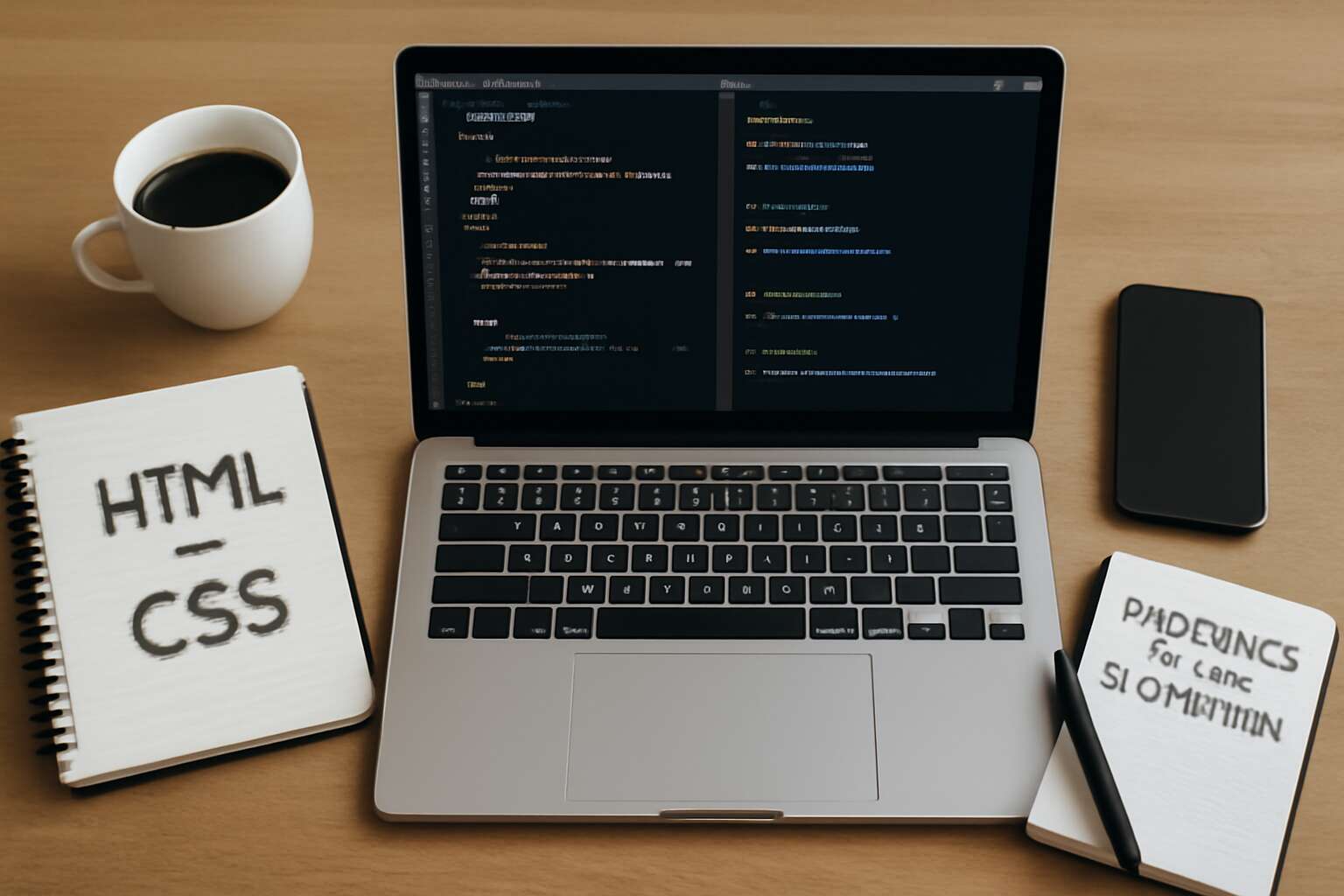
Understanding the Basics of WordPress Theme Development
What Is a WordPress Theme?
Understanding the basics of WordPress theme development is crucial for anyone eager to craft a truly customised website experience. At its core, a WordPress theme is the visual and functional blueprint that determines how your site appears and operates. It’s more than just a surface layer; it’s a complex amalgamation of code and design elements working in harmony.
A WordPress theme essentially acts as the façade of your digital presence. When you embark on WordPress theme development from scratch, you’re gaining the power to tailor every pixel and interaction to your exact specifications. This process involves creating templates, integrating styles, and ensuring seamless functionality across devices. For those venturing into this realm, understanding the fundamental building blocks—such as template files, stylesheets, and functions—is vital.
To help streamline your journey, consider these key components of a WordPress theme:
- Template files (like index.php, single.php, page.php)
- Style sheets to define the visual aesthetic
- Functions.php for custom features and behaviour
- Template tags and hooks to modify content output
Mastering these elements paves the way for more advanced themes and makes the entire process of WordPress theme development from scratch both rewarding and insightful. It’s a journey that turns a blank canvas into a vibrant, functional masterpiece, tailored precisely to your vision.

Why Develop a Custom WordPress Theme?
Understanding the Basics of WordPress Theme Development
Creating a custom WordPress theme is far more than an aesthetic exercise; it’s an act of digital craftsmanship that shapes how users experience your website. When embarking on the journey of WordPress theme development from scratch, you’re not merely tweaking pre-made templates — you’re sculpting a unique digital identity from the ground up. This process demands a nuanced understanding of how code and design intertwine, transforming ideas into a seamless, engaging interface.
Why choose to develop a custom WordPress theme? The answer lies in the unparalleled control it offers. Instead of settling for generic features, you can craft a site that reflects your brand’s personality and functional needs. This level of customisation ensures your website stands out amidst a sea of cookie-cutter templates, creating a more meaningful connection with visitors.
In the pursuit of mastery, recognising the core building blocks—such as template files, stylesheets, and functions—is essential. They serve as the foundation for a truly bespoke website, enabling you to implement specific features and tailor the user experience with precision. Developing a WordPress theme from scratch is a journey into design philosophy and technical prowess, culminating in a site that’s not just visually appealing but also deeply aligned with your vision.
Prerequisites for Developing a WordPress Theme
Embarking on the odyssey of WordPress theme development from scratch demands a foundational understanding of the essential building blocks. These core components serve as the enchanted bones of your digital creation, aligning functionality with aesthetic allure. Before delving into code, appreciating the significance of template files, stylesheets, and functions is paramount—each acting as a spell that brings your vision to life. Without this knowledge, the complex tapestry of your website risks unraveling into chaos.
To truly harness the power of WordPress, familiarity with the structure of a theme is indispensable. It’s akin to knowing the sacred runes that unlock the magic within the platform. For those venturing into WordPress theme development from scratch, mastering these prerequisites sets the stage for innovation and seamless performance. Here are some vital aspects to consider:

- Understanding PHP and HTML fundamentals
- Knowledge of CSS and JavaScript for styling and interactivity
- Familiarity with the WordPress Loop and template hierarchy
- Awareness of best practices for coding standards and security
By weaving these elements into your development process, you lay a resilient foundation, transforming raw code into a captivating digital realm. The journey begins with recognising that each line of code is a brushstroke in a grand masterpiece—an essential step in the art of creating a bespoke WordPress theme from scratch.
Planning Your WordPress Theme
Defining Your Theme’s Purpose and Features
Planning your WordPress theme development from scratch is a critical step that often determines the success of your final product. It’s akin to laying the foundation of a building—without clear purpose and defined features, the entire structure risks instability.
Defining your theme’s purpose involves understanding the core message and audience you aim to serve. Are you creating a portfolio for creative professionals, an e-commerce site, or a corporate portal? Once the purpose is clear, outlining the essential features becomes easier. Consider including elements such as customisable headers, responsive layout options, and optimised SEO components—each vital for a compelling user experience.
To streamline this process, some developers prefer creating a detailed blueprint. This might include a list of must-have functionalities, visual design preferences, and performance goals. Remember, a well-planned approach ensures that your WordPress theme development from scratch is not just about coding, but about crafting a cohesive digital narrative that truly resonates with users.
Creating Wireframes and Mockups
Planning your WordPress theme development from scratch is a delicate dance between imagination and precision. Once your blueprint begins to take shape, creating wireframes and mockups becomes an act of translating vision into visual harmony. These sketches serve as the skeleton of your project, offering a tangible glimpse into how users will navigate your digital masterpiece.
During this phase, consider crafting a layered hierarchy—mapping out header, footer, sidebar, and content areas with clarity and grace. Visualising the layout helps identify potential pitfalls early, ensuring that the final product seamlessly blends aesthetics with functionality.
Sometimes, a simple ordered list can clarify priorities:
- Sketch basic wireframes for key pages
- Refine visual hierarchy and layout structure
- Create detailed mockups to explore colour schemes and typography
By investing time into this creative process, your pursuit of WordPress theme development from scratch transforms into a symphony of design and purpose, resonating deeply with users and elevating your digital presence.
Choosing the Right Technologies and Tools
Choosing the right technologies and tools is the compass guiding your journey through the labyrinth of wordpress theme development from scratch. With so many options available, it’s tempting to indulge in shiny, modern frameworks or plug-and-play solutions. However, a discerning developer will assess suitability based on project scope, scalability, and personal comfort with the technology stack. WordPress’s core PHP, combined with modern JavaScript libraries like React or Vue, can elevate your theme’s interactivity without sacrificing performance.
To streamline the process, some prefer a structured approach, such as:
- Evaluating the compatibility of tools with WordPress standards
- Choosing a reliable code editor and version control system
- Integrating CSS preprocessors like SASS or LESS for style consistency
When selecting your arsenal, consider the balance between familiarity and innovation. After all, a well-chosen toolkit not only accelerates your wordpress theme development from scratch but also ensures a polished, resilient final product that resonates with both users and search engines alike.

Setting Up Your Development Environment
Installing WordPress Locally
Setting up your development environment is the clandestine theatre where your dreams of mastering wordpress theme development from scratch come to life. The initial act involves installing WordPress locally—a process that, while seemingly mundane, is the bedrock of a seamless development journey. A local setup ensures you can experiment freely without the fear of breaking a live site, and it accelerates your workflow immeasurably.
To begin, select a reliable local server environment such as XAMPP, MAMP, or Local by Flywheel. These tools simulate a web server on your machine, providing the necessary PHP and MySQL support for WordPress to run smoothly. Once installed, creating a fresh WordPress installation is as simple as downloading the latest version from WordPress.org and extracting it into your local server’s document root. From here, you can proceed to customise your environment, ensuring it’s optimally tuned for the intricacies of wordpress theme development from scratch.
- Configure your database connection details
- Set up a new database for your project
- Launch your local server and access your WordPress site through the browser
This initial setup acts as the quiet cornerstone, allowing your creative and technical energies to flourish without interruption or delay.
Choosing a Code Editor
Choosing the right code editor is often the unsung hero in the journey of wordpress theme development from scratch. It’s where your thoughts transform into lines of code, and where frustration can either mount or dissolve. A good editor isn’t just about syntax highlighting; it’s about creating a comfortable space that sparks your creativity and keeps your focus sharp. For many developers, Visual Studio Code, Sublime Text, or Atom have become trusted companions—each offering customisable features that streamline the development process.
When setting up your environment, consider the tools that enable efficient workflow. For instance, integrated terminal access, plugin support, and live preview capabilities can make all the difference. To optimise your experience, you might opt for a setup that includes:
- Code autocompletion for faster development
- Version control integration to track your progress
- Customisable themes to reduce eye strain during long sessions
Choosing the perfect code editor isn’t merely a technical decision; it’s a commitment to crafting a seamless, enjoyable experience—fundamental to mastering wordpress theme development from scratch. After all, a well-chosen tool can turn a daunting task into a heartfelt journey of creation and discovery.
Using Version Control Systems
In the labyrinth of wordpress theme development from scratch, establishing a robust version control system (VCS) is akin to planting a steadfast anchor amidst turbulent seas. It’s the silent guardian of your creative voyage, ensuring that each line of code is meticulously tracked, each modification recorded with reverence. Without it, the journey can become a chaotic dance of guesswork—an unpredictable odyssey that threatens to unravel the fabric of your carefully crafted theme.
Implementing a VCS like Git transforms this chaos into clarity. It offers a panoramic view of your progress, a safety net that catches mistakes before they cascade into chaos. As you weave together files and features, consider these vital steps:
- Initialise a repository at the start of your project
- Commit changes frequently, with meaningful messages
- Utilise branching to experiment without risking your main development line
This disciplined approach not only safeguards your work but also elevates your workflow, turning the complex art of wordpress theme development from scratch into a symphony of organised creativity. Embracing version control isn’t merely technical; it’s a declaration of devotion to craftsmanship—each commit a testament to your dedication. With such tools at your fingertips, your development odyssey becomes less daunting and more a poetic pursuit of perfection.
Creating the Basic Theme Files
The Style.css File and Theme Header
Creating the basic theme files marks the foundational step in the intricate journey of WordPress theme development from scratch. The first and most essential file is the style.css, which not only governs the visual aesthetics but also serves as the anchor point for theme recognition within WordPress. A well-structured style.css file begins with a thoughtfully crafted header comment—an essential component that informs WordPress of your theme’s identity, version, author, and description. This header functions as the theme’s passport, ensuring seamless integration and recognition.
Alongside style.css, the theme header plays a pivotal role in establishing your theme’s identity. It acts as a succinct summary that guides both users and developers alike. This header, embedded at the top of style.css, contains key information such as theme name, description, tags, and author details. When approached with precision, these files become the cornerstone upon which your entire WordPress theme development from scratch can flourish, setting the stage for deeper customisation and expansion.
Index.php and Main Template Files
Creating the index.php and main template files marks a pivotal moment in the journey of WordPress theme development from scratch. These foundational files serve as the backbone of your custom theme, orchestrating how content is retrieved and displayed. The index.php file, often regarded as the universal fallback, ensures that your site can gracefully render content even without specialised templates.
Within this file, you’ll craft the primary loop—a core component that pulls posts from your database and presents them to visitors. This process isn’t merely technical; it’s a dance of logic and design, shaping how your audience experiences your content. When developing from scratch, paying careful attention to the structure and flow of these main template files sets the tone for a cohesive, professional theme.
To streamline your workflow, consider systematically organising other key template parts, such as header.php and footer.php, which work harmoniously alongside index.php. This meticulous approach lays the groundwork for a visually captivating and functionally elegant WordPress website.
Functions.php and Enqueuing Scripts
Creating the `functions.php` file is a vital step in custom WordPress theme development from scratch. This file acts as the powerhouse of your theme, enabling you to add, modify, and extend core functionalities without altering core WordPress files. It’s where you register theme features, enqueue styles and scripts, and set up custom functions that enhance your site’s performance and flexibility.
Enqueuing scripts properly is essential for maintaining a professional, optimised website. Instead of hardcoding “ and “ tags directly into your templates, use the `wp_enqueue_script()` and `wp_enqueue_style()` functions. This method ensures scripts load in the correct order, prevents conflicts, and improves page load times.
A typical setup might involve a simple list like this:
- Registering stylesheets
- Registering JavaScript files
- Hooking into `wp_enqueue_scripts` action
Effective use of these functions during WordPress theme development from scratch guarantees your theme is both robust and extendable.
Designing Your Theme’s Layout and Style
Using HTML5 and CSS3 for Responsive Design
Designing your theme’s layout and style using HTML5 and CSS3 is where the artistry of wordpress theme development from scratch truly unfolds. It’s an exploration of visual storytelling, where responsive design ensures your site adapts seamlessly across devices—be it a smartphone, tablet, or desktop. The modern web demands flexibility, and HTML5 coupled with CSS3 offers the tools to craft fluid, dynamic interfaces that resonate with users on a visceral level.
Crafting a responsive layout begins with understanding the grid system—flexible containers that underpin your design. You can employ media queries to fine-tune your styles for various screen sizes, creating an experience that feels natural and engaging. To streamline this process, consider structuring your CSS with a focus on mobile-first principles, ensuring your site is optimised from the outset. This approach not only enhances user experience but also aligns with the core tenets of wordpress theme development from scratch.
Here’s a quick overview of essential techniques to elevate your design:
- Implement flexible grid layouts using CSS Flexbox or CSS Grid.
- Utilise media queries to adapt styles for different devices.
- Optimise images and assets for fast loading without sacrificing visual fidelity.
- Incorporate custom fonts and colour schemes that reflect your brand identity.
By weaving together these elements with a keen eye for aesthetics and usability, you forge a theme that’s both beautiful and functional—an embodiment of your vision in the realm of wordpress theme development from scratch.
Implementing a Grid or Flexbox Layout
In the vast cosmos of wordpress theme development from scratch, crafting a captivating layout is akin to orchestrating a symphony of visual harmony. Implementing a grid or Flexbox layout transforms a static design into a living, breathing entity that adapts seamlessly across devices. This is where the magic of CSS flexbox and grid systems truly shines, providing the scaffolding for a flexible, fluid interface.
Using CSS Flexbox, you can align content effortlessly, creating rows and columns that adjust dynamically to screen size. Meanwhile, CSS Grid offers a more structured approach, enabling intricate arrangements that mimic the grandeur of a celestial map. Together, these techniques empower developers to engineer responsive designs that feel intuitive and engaging.
To streamline your process, consider these foundational principles:
- Embrace mobile-first styling to ensure adaptability from the ground up.
- Leverage media queries to fine-tune aesthetics across various devices.
- Prioritise optimisation of images and assets for swift loading without sacrificing quality.
In the realm of wordpress theme development from scratch, mastering these layout techniques opens the portal to a universe of customisation—where your creative vision becomes reality, unshackled by constraints and ready to enchant users on every screen.
Adding Custom Styles and Fonts
Designing your theme’s layout and style is where your creativity truly comes alive in the realm of wordpress theme development from scratch. Once the structural skeleton is in place, it’s time to infuse your design with personality by adding custom styles and fonts that reflect your brand’s unique identity. The right typography can elevate your site from bland to breathtaking, making every visit a memorable experience.
To achieve this, include bespoke fonts via services like Google Fonts or Adobe Fonts, ensuring your typography complements the overall aesthetic. Incorporate custom CSS to tweak spacing, colours, and element positioning—think of it as giving your site a signature look. For an extra layer of finesse, consider using CSS variables for easy theme-wide updates, saving you from a headache when you decide to switch shades or fonts later on.
Remember, in wordpress theme development from scratch, these styling nuances are the finishing touches that turn a good layout into an extraordinary one—making your site as visually compelling as it is functional.
Implementing WordPress Templates and Template Parts
Single Post and Page Templates
Implementing WordPress templates and template parts is where the magic of **wordpress theme development from scratch** truly comes alive. Single post and page templates serve as the scaffolding that determines how content is displayed, ensuring a custom experience for visitors. Crafting these templates requires a keen eye for detail and a solid understanding of PHP, HTML, and CSS, as they dictate the layout and functionality of your site.
To streamline development, many developers create reusable *template parts*—modular snippets like headers, footers, or sidebars—that can be included across multiple templates. This modular approach not only enhances consistency but also simplifies future updates. When developing for WordPress, it’s essential to differentiate between templates tailored specifically for posts or pages, each with unique PHP files such as `single.php` and `page.php`.
Here’s a quick overview of how to implement these templates effectively:
- Establish your main template files (`single.php`, `page.php`) to control individual post and page rendering.
- Use `get_template_part()` to incorporate shared components like headers, footers, or custom sections.
- Leverage conditional tags to adapt layouts based on content type or specific criteria, enriching the user experience.
In essence, mastering the art of implementing templates and template parts is crucial to elevating your **wordpress theme development from scratch** into a polished, professional masterpiece.
Archive and Search Results Pages
Implementing WordPress templates and template parts for archive and search results pages is where the shadowy art of **wordpress theme development from scratch** truly reveals its depth. These pages serve as gateways, guiding visitors through your site’s labyrinth of content, whether it’s a sprawling archive of past posts or a search results page that reveals what lies beneath. Crafting these templates demands an attentive eye—each line of PHP and CSS must weave seamlessly to create an experience that feels both fluid and immersive.
Within these templates, you can utilise conditional tags to tailor the display based on the context, conjuring layouts that adapt to your visitors’ intent. For example, you might craft a distinctive archive layout that highlights your most haunting content or a search results page that presents options with a spectral elegance. To ensure consistency, many developers embed template parts—modular snippets like breadcrumbs or pagination controls—that can be reused with ease. This modularity is essential in the dark craft of **wordpress theme development from scratch**, allowing your site to evolve like a living entity.
Reusable Template Parts with get_template_part()
Implementing WordPress templates and template parts is where the true magic of **wordpress theme development from scratch** begins to unfold—think of it as orchestrating a symphony where each component plays its part perfectly. Using the get_template_part() function, developers can craft modular, reusable template parts that breathe life into your site’s architecture. Imagine breadcrumbs, pagination, or custom header snippets—each one a tiny cog that keeps the entire engine running smoothly.
This approach doesn’t just promote cleaner code but also streamlines future updates and modifications. For example, instead of rewriting the same pagination code across multiple templates, a single call to get_template_part(‘pagination’) does the trick. Such modularity fosters a flexible environment, allowing your WordPress site to evolve organically. When carried out with precision, these template parts become the backbone of your **wordpress theme development from scratch**, enabling a seamless user experience that’s both functional and aesthetically pleasing.
Adding Dynamic Functionality
Using The Loop to Display Posts
In the realm of wordpress theme development from scratch, harnessing the power of The Loop transforms static pages into vibrant canvases of dynamic content. This fundamental construct acts as a storyteller, weaving posts into a seamless narrative that adapts effortlessly to user interactions. When embedded within your template files, The Loop ensures every visitor encounters customised, relevant content without a hitch.
Imagine a carousel of recent blog entries or an evolving portfolio showcase—such marvels are made possible through the clever utilisation of The Loop. To implement it, you typically craft a simple PHP structure that checks for available posts and displays them with elegance. For example, a basic loop might look like this:
- Check if posts exist
- Loop through each post
- Display post title, excerpt, and link
By mastering this approach, you unlock the true potential of your custom theme, allowing it to breathe life and interactivity into every pixel, truly elevating your wordpress theme development from scratch into an art form.
Registering Menus and Widget Areas
In the vibrant realm of wordpress theme development from scratch, adding dynamic functionality breathes life into your website’s skeleton, transforming it into an interactive masterpiece. Registering menus and widget areas is akin to crafting enchanted gateways and hidden alcoves—spaces where users can navigate effortlessly or discover engaging content. These elements serve as the connective tissue between your design and the visitor’s experience, ensuring seamless interaction at every click.
By registering custom menus, you empower users to personalise their journey through intuitive navigation, while widget areas offer versatile zones to display recent posts, search bars, or social media links. Implementing these features involves simple yet powerful PHP functions, often structured like this:
- Register menu locations in functions.php
- Create widget areas with register_sidebar()
- Populate them through the WordPress Customizer or widget admin
This process transforms static templates into adaptable landscapes, inviting visitors to explore your site’s universe with ease and wonder. Mastering these aspects elevates your wordpress theme development from scratch into an art of seamless interactivity and customisation.
Custom Post Types and Taxonomies
In the realm of wordpress theme development from scratch, adding dynamic functionality elevates your creation beyond static visuals to a living, breathing digital sanctuary. Custom post types serve as specialised archetypes—think of them as bespoke vessels that carry your content’s soul, whether it’s portfolio pieces, testimonials, or event listings. Taxonomies, on the other hand, weave these content types into an organisational tapestry, allowing visitors to navigate effortlessly through your universe of information.
Imagine creating a custom post type for ‘Projects’ and harnessing taxonomies like ‘Project Type’ or ‘Client’. This symbiotic relationship transforms your website into a curated gallery—each element meticulously classified and accessible. Implementing these features involves registering post types and taxonomies via PHP functions, often structured along these lines:
- Register custom post types with register_post_type()
- Create custom taxonomies using register_taxonomy()
- Associate taxonomies with your post types for seamless categorisation
This process breathes life into your theme, allowing content to evolve dynamically and visitors to explore with intuitive ease. Mastery of custom post types and taxonomies within the framework of wordpress theme development from scratch unlocks a realm of limitless possibilities, where your website becomes an interactive odyssey rather than mere pixels on a screen.
Enhancing User Experience and Accessibility
Optimizing for Mobile Devices
Enhancing user experience and accessibility isn’t just a feature—it’s the heartbeat of successful WordPress theme development from scratch. When visitors land on your site, they expect seamless navigation and intuitive interfaces, regardless of their device or abilities. Incorporating accessibility features like ARIA labels, keyboard navigation, and colour contrast ensures your theme caters to all users, transforming your project into an inclusive digital space.
Optimising for mobile devices is equally vital; a responsive design adapts fluidly across screens, preventing frustration and bounce rates. Using flexible layouts such as CSS Grid or Flexbox guarantees content remains visually appealing and functional on smartphones and tablets. Consider prioritising touch-friendly elements and fast-loading assets, which are essential for engaging modern audiences. Ultimately, elevating these aspects during WordPress theme development from scratch results in a resilient, user-centric website that stands out amid the digital noise.
Improving Accessibility Features
Enhancing user experience and accessibility is at the heart of successful WordPress theme development from scratch. When a website feels intuitive and welcoming, visitors are more likely to stay, explore, and return. Incorporating accessibility features such as ARIA labels, keyboard navigation, and colour contrast not only broadens your audience but also demonstrates a commitment to inclusivity. These elements ensure that users with varying abilities can navigate your site effortlessly, turning your project into a truly accessible digital space.
Optimising for mobile devices is equally crucial. A responsive design that adapts seamlessly across screens prevents user frustration and reduces bounce rates. Utilising flexible layouts like CSS Grid or Flexbox guarantees your content remains visually appealing and functional on all devices. Touch-friendly elements and fast-loading assets further engage modern users, making your WordPress theme development from scratch more resilient and user-centric. When these aspects are prioritised, your website stands out amid the digital noise, offering an experience that is both beautiful and accessible to all.
Implementing Lazy Loading and Performance Tweaks
In the fast-paced world of digital design, optimise your website’s performance with strategic enhancements like lazy loading and performance tweaks. Lazy loading is a game-changer, loading images and videos only when they come into view, reducing initial load times and enhancing user satisfaction. This technique is particularly vital when developing a custom WordPress theme from scratch, where every millisecond counts in keeping visitors engaged.
Beyond lazy loading, fine-tuning your website’s performance involves optimising assets—compressing images, minifying scripts, and leveraging browser caching. These adjustments not only speed up your site but also improve SEO rankings, making your WordPress theme more resilient against the competition.
- Implement asynchronous loading for scripts
- Utilise content delivery networks (CDNs) for static assets
- Regularly audit your site’s performance using tools like Google PageSpeed Insights
When these performance tweaks are thoughtfully integrated into your WordPress theme development from scratch, your site becomes a harmonious blend of speed, efficiency, and user-centric design, ensuring visitors stay longer and explore more.
Testing and Debugging Your Theme
Using Debugging Tools and Error Logs
Testing and debugging are crucial steps in the journey of wordpress theme development from scratch. Even the most meticulously crafted themes can encounter unexpected glitches or display quirks. Fortunately, modern debugging tools and error logs act as your enchanted compass, guiding you through the labyrinth of code with precision.
Utilising debugging tools such as the browser’s developer console or PHP debugging extensions can help identify issues early, preventing them from spiralling into larger problems. Error logs, often hidden within server settings, reveal silent failures and warnings that might otherwise go unnoticed. Regularly monitoring these logs allows you to catch bugs before they reach production, ensuring a seamless user experience.
For a thorough approach, consider implementing a systematic testing process, which might include running your theme through various browser environments and device configurations. In essence, debugging transforms from a chore into an act of discovery, refining your wordpress theme development from scratch into a polished masterpiece.
Cross-Browser Compatibility Checks
Testing and debugging are the unsung heroes of the wordpress theme development from scratch journey. Even the most elegant, meticulously crafted themes can stumble over unforeseen glitches—think of them as the sneaky gremlins of coding! Cross-browser compatibility checks are essential to ensure your masterpiece looks stunning on Chrome, Firefox, Safari, and Edge alike.
A systematic approach often involves running your theme through an array of devices and browsers. This process exposes quirks that might only manifest in specific environments, preventing those embarrassing surprises after launch. Incorporating tools like browser developer consoles and PHP debugging extensions transforms debugging from a tedious chore into an adventure of discovery.
- Test on multiple devices
- Check CSS consistency across browsers
- Monitor error logs for unnoticed warnings
In the end, these vigilant quality checks uphold the integrity of your wordpress theme development from scratch, turning a good theme into a truly exceptional one.
Validating HTML and CSS
Ensuring your WordPress theme remains impeccable under the scrutiny of a myriad of browsers is an art form in itself. Once the structural groundwork is laid, the next crucial step is the diligent validation of HTML and CSS. Think of it as the meticulous tailoring of a bespoke suit—every stitch and seam must align perfectly. Validating your code guarantees that your theme adheres to web standards, reducing the risk of rendering anomalies that could mar user experience.
Utilising tools like the W3C Markup Validation Service or CSS Validator simplifies this process, making it a refined dance rather than a tedious chore. Sometimes, a quick scan of error logs reveals warnings that, if left unchecked, could manifest as layout glitches or broken functionalities. During the validation phase, consider implementing a systematic checklist:
- Run your HTML through a validator to catch misplaced tags or deprecated elements.
- Check your CSS for specificity conflicts or invalid properties.
- Test responsiveness across multiple devices for consistent presentation.
This process is indispensable in the journey of WordPress theme development from scratch, ensuring your creation is both robust and resilient. It’s akin to giving your theme a thorough health check—necessary before stepping into the world of live deployment.
Preparing Your Theme for Launch
Creating a Readme File and Documentation
As your custom WordPress theme nears its grand unveiling, attention to detail becomes paramount. Preparing your theme for launch involves crafting comprehensive documentation and a Readme file that serves as a guiding beacon for future users and developers alike. A well-structured Readme not only delineates installation instructions but also highlights theme features, customisation options, and troubleshooting tips, transforming your creation into an intuitive experience. Remember, clarity and organisation are your allies in this process.
Creating detailed documentation ensures your theme stands the test of time and use. Consider including a list of key features, compatibility notes, and licensing information—elements that foster trust and ease of use. To streamline this, an ordered list can be invaluable:
- Overview of the theme’s purpose and core features
- Installation and activation steps
- Customisation options and widget areas
- Support and troubleshooting resources
By meticulously preparing your Readme file and documentation, you enhance the professionalism of your WordPress theme development from scratch, ensuring it resonates with users and developers alike—an essential phase before welcoming your creation into the vibrant WordPress ecosystem.
Adding Theme Support Options
As your custom WordPress theme begins to take shape, the final flourish involves preparing your theme for a seamless debut. One of the most vital steps in this process is adding theme support options, which empower users to personalise their experience without delving into code. These support features can include custom logos, background images, or even post thumbnails—each enhancing the theme’s flexibility and appeal.
Integrating theme support is straightforward yet powerful. Within your functions.php file, you’ll commonly invoke add_theme_support() for various features. To ensure clarity and organisation, consider creating a dedicated section for these options, perhaps using an ordered list:
- Register support for custom logos and headers
- Enable post thumbnails and featured images
- Activate HTML5 markup support for improved accessibility
- Include support for various widget areas and custom backgrounds
This strategic addition elevates your WordPress theme development from scratch, transforming a static layout into an adaptable, user-centric masterpiece. The process not only enriches the user experience but also demonstrates a meticulous attention to detail—an essential trait in professional theme creation.
Packaging Your Theme for Distribution
Preparing your WordPress theme for launch is a critical step in the development process. Once your custom theme is polished and tested, packaging it for distribution ensures it reaches users in pristine condition. This involves cleaning up code, organising files, and including comprehensive documentation.
A well-prepared theme not only looks professional but also enhances user trust. Key elements include creating a detailed readme file, optimising assets for performance, and verifying compatibility across browsers and devices. During this phase, it’s also wise to validate your HTML and CSS, ensuring your theme adheres to best practices in WordPress theme development from scratch.
To streamline packaging, consider assembling a list of essential files—such as the style.css, functions.php, and all template files—making sure each is optimised and free from errors. This meticulous process transforms your static layout into a robust, user-ready product, ready to make an impact in the competitive landscape of WordPress themes.
Maintaining and Updating Your Theme
Handling WordPress Updates and Compatibility
Maintaining and updating your WordPress theme is an art form—one that demands vigilance and finesse. As the digital landscape evolves, so too must your theme, ensuring seamless compatibility with the latest WordPress updates. Ignoring these shifts risks rendering your site vulnerable to security issues or, worse, rendering it unusable.
Handling WordPress updates with grace involves a keen eye on changelogs and a proactive approach to testing. Regularly updating your theme’s codebase is essential, particularly when core WordPress functions change or deprecate. To streamline this process, consider implementing a staging environment—this allows you to preview modifications without risking your live site’s integrity.
For those venturing into the realm of WordPress theme development from scratch, it’s crucial to keep compatibility front and centre. An organised approach, such as maintaining a changelog and employing version control systems, ensures your theme remains resilient amid the shifting sands of WordPress updates. Ultimately, a diligent maintenance routine preserves both your reputation and your site’s longevity.
Adding New Features and Customizations
Maintaining and updating your WordPress theme is akin to tending a delicate garden—requiring patience, finesse, and an eye for subtle growth. As your site evolves, so should your custom themes, with each update adding fresh features and refinements that keep your site both relevant and resilient. When embarking on **WordPress theme development from scratch**, it’s essential to adopt a proactive approach, seamlessly integrating new functionalities without disrupting existing structures.
Introducing new features can be as straightforward as enhancing your theme’s customizer options or as intricate as developing bespoke plugin integrations. A common approach involves carefully planning updates through version control systems, which serve as a historical ledger of your modifications. This disciplined methodology ensures that your theme remains adaptable, whether you’re refining a layout or implementing advanced customisations.
- Optimise speed and performance with lazy loading techniques
- Enhance user experience via custom widgets and menu options
- Ensure accessibility standards are met for all visitors
In the realm of **WordPress theme development from scratch**, consistency in updates and improvements fosters not only longevity but also the admiration of your user base—who, after all, deserve nothing less than the best.
Gathering User Feedback and Improving the Theme
Maintaining and updating your WordPress theme is a delicate dance—a continuous process that breathes life into your digital sanctuary. The true artistry lies in gathering user feedback, which acts as a silent yet potent compass guiding your evolution. Listening attentively to your visitors’ experiences reveals subtle nuances and unmet needs, transforming abstract desires into tangible enhancements. This cycle of refinement not only bolsters your site’s resilience but also fosters a loyal community, eager to witness your ongoing metamorphosis.
In the realm of WordPress theme development from scratch, this iterative process becomes an essential pillar. It allows for seamless integration of new features—be it custom widgets that elevate interactivity or refined menu options that streamline navigation. As your site adapts, employing version control systems ensures each modification is meticulously documented, safeguarding your progress against unforeseen disruptions. It’s a commitment to excellence that underpins longevity, ensuring your theme remains as compelling and resilient as the ideas that sparked its inception.