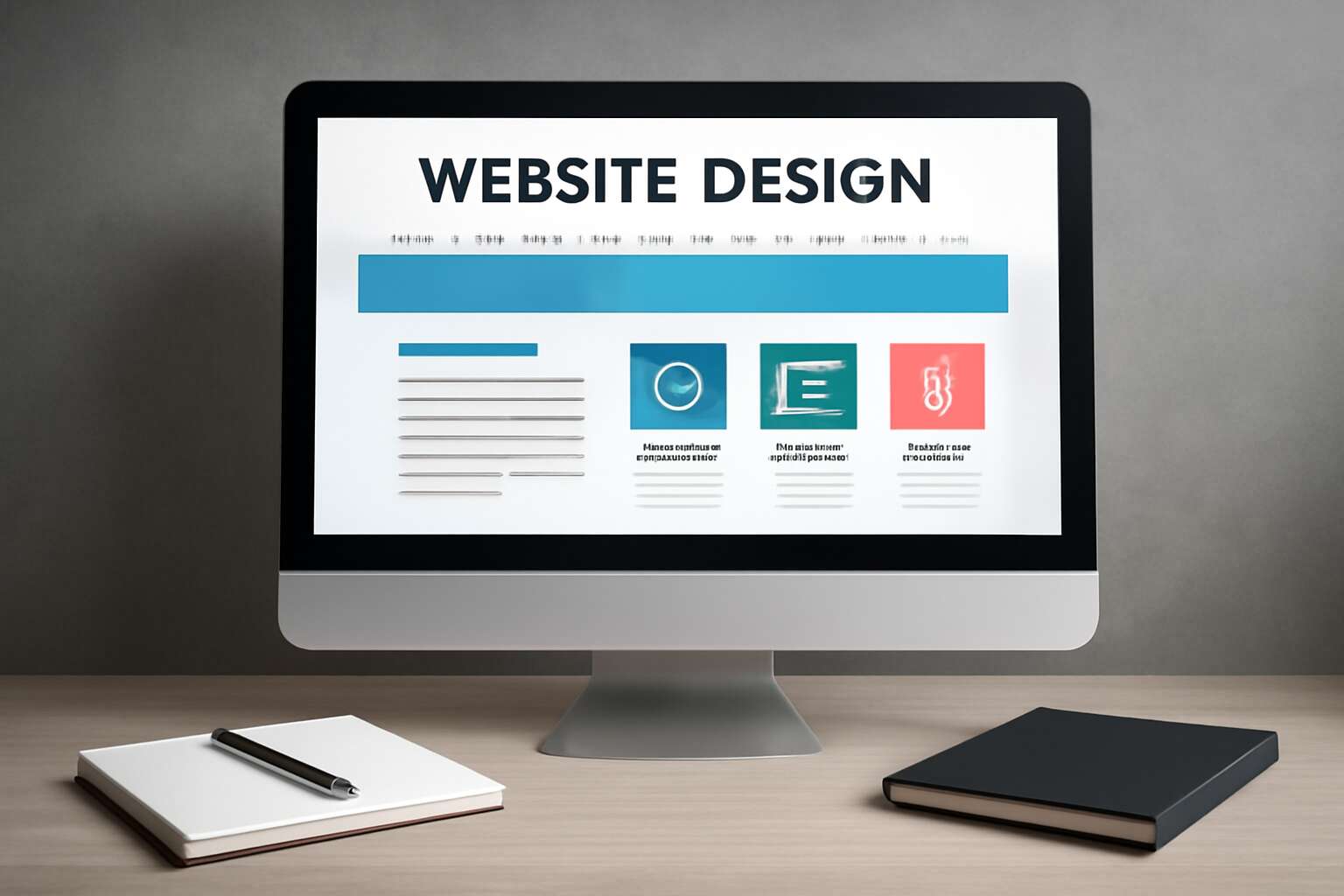
Design Principles for an Effective Website
User-Centric Design - Prioritize user experience with intuitive navigation and accessibility
In the vast digital landscape, a staggering 88% of online consumers are unlikely to return to a website after a bad user experience. It’s a sobering reminder that first impressions are everything—yet, what truly elevates a website from merely functional to irresistibly engaging is adherence to fundamental design principles.
User-centric design isn’t just a trendy phrase; it’s the heartbeat of an effective website. Prioritizing intuitive navigation ensures visitors find what they need without a second thought, reducing frustration and boosting engagement. Accessibility, often overlooked, guarantees that everyone, regardless of ability, can enjoy the site’s offerings.
An elegant way to approach this is by considering a simple yet effective list of tips in website design:
- Clear, concise menus that guide users effortlessly
- Readable fonts and contrasting colors for visual comfort
- Responsive layouts that adapt seamlessly across devices
In essence, a well-crafted website respects its visitors’ time and intelligence—an artful balance of aesthetics and functionality that leaves a memorable impression.
Responsive Layouts - Ensure mobile and desktop compatibility for seamless browsing
In an era where mobile devices are often the first touchpoint for online users, ensuring a responsive layout isn’t just a good idea—it’s essential. A staggering 78% of South African consumers browse on smartphones, yet many websites still fall short of seamless mobile compatibility. This disconnect can turn potential visitors away in seconds, damaging credibility and engagement.
Design principles for an effective website emphasize adaptability across all devices. Responsive layouts automatically adjust content, images, and navigation to fit the screen size, creating a smooth browsing experience. This approach not only keeps visitors engaged but also signals to search engines that your site is modern and user-friendly.
To achieve this, consider implementing flexible grid systems and scalable images. Testing across multiple devices is equally important, as it reveals how your website performs in real-world conditions. Remember, a website that looks good and functions flawlessly on a desktop but falters on a mobile device is doing more harm than good. Prioritizing tips in website design that focus on responsiveness will ensure your site remains competitive in today’s digital landscape.
Visual Hierarchy - Use color, size, and placement to guide visitor attention
In the intricate dance of digital design, visual hierarchy emerges as the silent choreographer guiding visitors through your website’s narrative. When carefully crafted, it transforms a mere collection of elements into a compelling story, compelling enough to hold attention in a landscape crowded with distractions. As the human psyche instinctively gravitates toward contrast and clarity, using color, size, and placement becomes an art form—one that beckons users to explore, engage, and remember.
Color, in particular, wields profound influence. It can evoke emotion, establish brand identity, and subtly direct the eye toward critical content. Larger fonts and prominent placement act as visual anchors, signaling importance without the need for intrusive prompts. This layered approach to design is essential—especially in South Africa’s diverse digital environment—where users’ attention spans are fleeting and competition is fierce.
To master this craft, consider employing a strategic hierarchy:
- Use vibrant hues sparingly to highlight key calls to action.
- Size important information to stand out amid the visual noise.
- Place primary content where it naturally catches the eye—above the fold or along the focal points of the layout.
When these principles are woven seamlessly, your website doesn’t just look good—it communicates with subconscious clarity, ensuring visitors stay longer and search engines recognize its structured sophistication. Tips in website design that focus on visual hierarchy can elevate your online presence from ordinary to extraordinary, an essential step in today’s digital-first world.
Brand Consistency - Maintain uniform branding elements across pages
In the vibrant tapestry of South Africa’s digital landscape, consistency is the secret thread that weaves recognition and trust. When your brand elements—logos, color schemes, fonts—remain uniform across every page, it’s like a familiar melody that lingers in the visitor’s mind. This harmony turns a fleeting glance into a lasting impression, transforming your website from a collection of pages into a cohesive story.
To truly master this art, consider the importance of a unified visual language. Maintaining consistent branding elements isn’t just about aesthetics; it’s about crafting an identity that resonates deeply with your audience. For this reason, employing tips in website design that emphasize brand consistency can elevate your online presence and foster loyalty. Whether it’s a signature color palette or a particular style of imagery, these subtle signals guide visitors effortlessly along their journey.
Remember, in a world where attention is a precious commodity, every detail counts. Strive for harmony, and watch how your website becomes not just a digital space, but an extension of your brand’s soul.
Content Optimization Strategies
Keyword Research and Integration - Identify relevant keywords and naturally incorporate them
Effective website optimization hinges on smart keyword research and seamless integration. Nearly 75% of users never scroll past the first page of search results — that’s why pinpointing the right keywords can make or break your visibility. When conducting keyword research, look beyond obvious terms. Focus on long-tail keywords and phrases that reflect the intent of your target audience in South Africa. Once identified, naturally weave these keywords into your website content, headers, and metadata. Overstuffing can harm your rankings, so aim for a balanced approach.
Incorporating keywords thoughtfully enhances your SEO efforts without sacrificing readability. To streamline this process, consider creating a list of primary and secondary keywords, then prioritize their placement in high-impact areas. Remember, the goal is to make your content valuable and engaging — not just optimized for search engines. When executed well, tips in website content become a powerful tool to attract and retain visitors, ensuring your site ranks higher and performs better.
Engaging and Clear Copy - Write compelling content that addresses visitor needs
In the realm of digital storytelling, words must dance with clarity and purpose. Engaging and clear copy transforms passive visitors into captivated explorers. When crafting content, think of your words as the brushstrokes on a canvas—vivid, deliberate, inviting. The secret lies in addressing visitor needs with empathy and finesse, weaving information that resonates deeply within their search for solutions.
To elevate your tips in website, consider embedding a structured approach within your content—like a well-composed symphony. For instance, an ordered list of key benefits or features can guide your audience effortlessly, making complex ideas digestible and memorable:
- Identify core pain points and craft solutions that speak directly to them.
- Use compelling headlines that evoke curiosity and promise value.
- Incorporate storytelling elements that forge a connection beyond mere facts.
Remember, every sentence should serve a purpose—each word a deliberate stroke in your masterpiece. When your copy is both poetic and precise, it not only beckons visitors but keeps them engaged—transforming fleeting clicks into loyal allegiance. The artistry of tips in website content lies in its ability to enchant while informing—turning visitors into lifelong patrons of your digital domain!
Use of Multimedia - Incorporate images, videos, and infographics to enhance engagement
In the vast digital landscape, capturing a visitor’s attention is akin to telling a heartfelt story around a crackling fire. Incorporating multimedia into your website not only elevates this narrative but also deepens emotional engagement. Images, videos, and infographics serve as vibrant brushstrokes that bring your message to life, making complex ideas feel accessible and relatable. When used thoughtfully, these elements can turn a mundane browsing experience into a memorable journey.
Effective tips in website often emphasize the importance of visual diversity. For example, a well-placed video can convey a brand’s story more powerfully than words alone, while infographics can simplify intricate data into easily digestible visuals. A balanced blend of multimedia keeps visitors intrigued and encourages them to linger longer on your pages. Remember, each piece of media should serve a purpose—adding value and clarity without overwhelming the viewer.
By weaving these visual elements seamlessly into your content, you create a harmonious tapestry that resonates deeply with your audience. In the end, the goal is to foster a sense of connection—because when visitors feel understood and engaged, they’re more likely to become loyal patrons of your digital domain!
Regular Content Updates - Keep content fresh and relevant to improve SEO ranking
Keeping your website fresh isn’t just about slapping on shiny new graphics or tossing in a few blog posts. It’s about strategic content updates that boost your SEO ranking and keep visitors hooked. Regularly refreshing your content signals to search engines that your site is active and relevant—think of it as a digital high-five to Google’s algorithms.
In the realm of tips in website, consistency reigns supreme. Updating product descriptions, blog articles, or news sections shows that your business is alive, kicking, and ready to serve the latest info. For added punch, consider creating a content calendar that ensures no page gets left behind in the digital dust.
Here’s a quick rundown of what to focus on:
- Refresh outdated information
- Add new case studies or testimonials
- Optimize existing content with fresh keywords
- Embed recent multimedia for visual appeal
Remember, a website that evolves is a website that stays relevant—because in the world of tips in website, stagnation is the enemy.
Technical SEO Best Practices
Website Speed Optimization - Reduce load times with optimized images and code
Page load speed is a critical factor in SEO performance. Slow websites frustrate visitors and hurt rankings. To keep load times minimal, focus on optimizing images—compress them without losing quality, and choose the right formats. Minify CSS, JavaScript, and HTML to reduce unnecessary code that bogs down your site. Remember, a few seconds can make the difference between a bounce and a conversion.
Implementing tips in website for speed optimization isn’t just about reducing size; it’s about smarter design. Use caching strategies to store frequently accessed data, and consider a Content Delivery Network (CDN) to distribute content closer to your South African audience. These techniques ensure your website remains swift and responsive, even during traffic surges.
Finally, regularly test your website using tools like Google PageSpeed Insights or GTmetrix. Identifying bottlenecks allows for continuous improvement. A faster website not only improves your SEO but also enhances user satisfaction — a win-win in the digital landscape.
Meta Tags and Descriptions - Write compelling meta descriptions and title tags
In the sprawling digital landscape, crafting a website that stands out isn’t just about eye-catching visuals or clever design—it’s about the subtle art of technical SEO. Meta tags and descriptions serve as digital signposts, guiding search engines and visitors alike through your content’s treasure trove. When these elements are compelling and precise, they can dramatically elevate your visibility in search results, attracting the right audience right from the first glance.
Remember, every element on your page should serve a purpose. Effective tips in website optimization emphasize writing meta descriptions that spark curiosity without overselling. Incorporate relevant keywords naturally, ensuring they blend seamlessly into engaging copy. A well-optimized title tag paired with a captivating meta description can be the difference between a visitor clicking through or scrolling past. Don’t forget to include a few strategic keywords within your content to reinforce relevance—this subtle technique enhances your site’s authority without sacrificing readability.
- Use unique, descriptive meta descriptions for each page
- Incorporate primary keywords judiciously in titles and descriptions
- Maintain a natural tone that appeals to both users and search engines
URL Structure - Use clean, descriptive URLs for better indexing
In a digital universe where your website’s URL acts like a GPS for search engines, a clean and descriptive URL structure isn’t just a nicety—it’s an absolute necessity. Think of your URLs as the street addresses of your online storefront; if they’re confusing or cluttered, visitors and search engines alike might get lost. According to SEO experts, well-structured URLs can boost your site’s visibility, making it easier for Google to index your content accurately and efficiently.
Here are some tips in website to keep your URLs shipshape:
- Keep URLs short, sweet, and to the point—brevity is the soul of clarity.
- Use hyphens to separate words—spaces are a no-go in URLs and can cause confusion.
- Incorporate relevant keywords naturally—think of them as signposts guiding both users and bots.
- Avoid unnecessary parameters or session IDs that clutter the URL and complicate indexing.
By adhering to these tips in website, you ensure your URLs aren’t just pretty strings of characters but powerful tools that enhance your SEO efforts. Remember, a well-crafted URL isn’t just for SEO but also for user experience—the easier it is to read and remember, the more likely visitors will return or share your site. So, give your URLs some TLC; after all, they’re the digital front door to your brand’s success in South Africa’s bustling online marketplace!
XML Sitemaps and Robots.txt - Facilitate search engine crawling and indexing
In the vast digital savannah of South Africa’s bustling online marketplace, ensuring that search engines can easily find and understand your website is paramount. XML sitemaps act as a treasure map, guiding crawlers through the hidden corridors of your content, while robots.txt files serve as gatekeepers, telling search engines what to explore and what to leave behind. Properly configuring these elements can dramatically improve your site’s visibility and indexing efficiency.
Think of XML sitemaps as the blueprint of your digital kingdom, providing a clear overview of all your vital pages. Meanwhile, robots.txt files are like secret passages—controlling access and preventing search engines from wasting time on irrelevant or duplicate content. To get the most from these tools, ensure your sitemap is regularly updated and free of broken links, and that your robots.txt file is accurately blocking or allowing pages based on your SEO goals.
Here are some tips in website to optimize your crawling and indexing process:
- Keep your XML sitemap concise and comprehensive, covering all important pages.
- Use descriptive URLs within your sitemap to reinforce your site’s keyword strategy.
- Avoid blocking critical pages in your robots.txt file that you want indexed.
- Validate your sitemap regularly to catch errors early and keep it aligned with your site’s structure.
By mastering these tips in website, you ensure that search engines navigate your digital landscape with ease, revealing your content to eager visitors. This harmony between sitemap and robots.txt isn’t just technical wizardry; it’s the foundation of a robust SEO strategy that can propel your brand to new heights in South Africa’s vibrant online ecosystem.
User Engagement and Conversion Tips
Clear Calls-to-Action - Guide visitors toward desired actions with prominent buttons
In the labyrinth of the digital realm, where every click is a heartbeat and every scroll a whisper, captivating user engagement becomes an art form. When visitors feel drawn into a seamless experience, they are more likely to stay, explore, and convert. Clear calls-to-action act as enchanted signposts, guiding visitors effortlessly toward their desired destination—be it a purchase, subscription, or inquiry.
Imagine buttons bathed in inviting hues, strategically placed to beckon like a lighthouse in foggy waters. These prominent cues transform passive browsing into active participation. Incorporating engaging copy that speaks directly to visitor needs, coupled with multimedia elements that enchant and inform, elevates the entire experience.
Remember, a website that whispers its intentions through well-designed calls-to-action doesn’t just attract visitors; it beckons them to become part of a story. The best tips in website design are those that speak to the soul of the user, inviting them to step deeper into your brand’s universe.
Contact and Lead Capture - Implement forms and chat features for better communication
In the shadowed corridors of the digital domain, where whispers of visitors linger but rarely stay, crafting pathways for engagement becomes an art of subtle sorcery. A mere 10 seconds—the blink of an eye—can determine whether a visitor vanishes into the ether or becomes entangled in your web of intrigue. Tips in website design that prioritize contact and lead capture are essential to turn fleeting interest into lasting connection.
Implementing intuitive forms and chat features creates a portal for seamless communication, inviting visitors to reveal their desires without hesitation. These elements must be unobtrusive yet accessible, whispering promises of assistance and understanding. For example, a strategically placed chat icon can beckon like a lighthouse in foggy waters, guiding lost souls toward clarity.
- Keep forms simple, asking only for essential information.
- Use inviting language that encourages interaction.
- Offer multiple avenues for contact—email, live chat, or messaging platforms.
In this realm of shadows and light, your website’s ability to foster genuine dialogue transforms passive browsers into eager participants—each conversation a step further into the labyrinth of your brand’s universe.
Social Proof - Display reviews, testimonials, and trust badges
In the ever-evolving digital landscape, building trust and credibility is paramount. Visitor skepticism can be like a shadow lurking behind every click, yet strategically showcasing social proof can dispel doubts in an instant. Displaying genuine reviews, heartfelt testimonials, and trust badges acts as silent witnesses to your brand’s integrity—each element whispering reassurance to hesitant visitors. This subtle yet powerful tactic transforms curiosity into confidence, paving the way for higher conversions.
By weaving social proof seamlessly into your website’s fabric, you create a compelling narrative of reliability and excellence. Consider incorporating an unordered list of key elements:
- Authentic customer reviews
- Video testimonials that tell stories
- Recognized trust badges and certifications
- Case studies demonstrating success
These tips in website not only elevate your credibility but also foster an emotional bond with your audience. When visitors see proof of your prowess, they’re more likely to engage, linger, and ultimately convert—turning fleeting interest into lasting loyalty in the shadows of the digital realm.
Analytics and Feedback - Monitor user behavior and collect feedback for continuous improvement
Every visitor’s journey on your website is a delicate dance of curiosity and trust. But how do you truly understand what captivates your audience and what causes them to linger—or click away? The answer lies in harnessing the power of analytics and feedback, two critical tools that transform raw data into actionable insights. In the shadowy corridors of user behavior, subtle signals reveal what sparks interest and where bottlenecks occur. By monitoring these clues, you can fine-tune your site’s performance and keep visitors engaged longer.
Incorporating consistent feedback mechanisms—such as surveys, polls, or live chat—acts like a compass, guiding your ongoing improvements. Think of it as an ongoing dialogue with your audience. For example, a simple tips in website approach might include setting up an interactive feedback form or analyzing heatmaps to see which sections draw the most attention. These insights not only elevate your credibility but also deepen the emotional bond with your visitors, turning fleeting visits into loyal interactions.
- Track user navigation paths to identify stumbling blocks.
- Collect direct feedback to understand visitor needs better.
- Implement iterative improvements based on real-time data.
Ultimately, the secret to mastery in website optimization is continuous evolution. When you pay close attention to user analytics and feedback, every tweak becomes a step closer to a seamless, engaging experience—one that keeps visitors coming back, eager to uncover what lies beneath the surface of your digital domain.
Security and Maintenance
SSL Certification - Protect user data with HTTPS encryption
In a digital landscape increasingly fraught with threats, safeguarding user data isn’t just a technical requirement—it’s a moral imperative. SSL certification, which enables HTTPS encryption, forms the backbone of a secure website. Without it, your visitors’ sensitive information, from personal details to payment data, becomes vulnerable to prying eyes and malicious actors. Implementing SSL certification isn’t merely about compliance; it’s about building trust and credibility in a competitive market.
Furthermore, maintaining this security requires ongoing diligence. Regularly updating your SSL certificates and monitoring your website for vulnerabilities can prevent costly breaches and preserve your reputation. Consider establishing a routine check—think of it as a digital health scan—ensuring your site remains fortified against emerging threats. Remember, a secure website not only protects your visitors but also boosts your SEO rankings, reinforcing your brand’s integrity in the eyes of both users and search engines.
Here’s a quick overview of the essential steps to enhance your website’s security and maintenance:
- Obtain an SSL certificate from a reputable provider.
- Configure HTTPS across all pages to ensure consistent encryption.
- Regularly renew and update your SSL certificates to avoid lapses.
- Implement security plugins and firewalls for added layers of protection.
- Monitor website traffic for suspicious activity and anomalies.
Regular Backups - Ensure website data safety through consistent backups
Cyber threats evolve rapidly, and a single lapse can compromise your entire online presence. Regular backups are your best defense. They act as a safety net, ensuring you can restore your website quickly if disaster strikes. In South Africa, where digital infrastructure is expanding, many businesses overlook this vital tip in website security. Without consistent backups, data loss can be devastating and costly.
Implementing automatic backups—preferably daily—can save you from sleepless nights. Store these backups securely, preferably off-site or in the cloud, to prevent loss during server failures. A simple yet effective approach involves maintaining a backup schedule and verifying data integrity periodically.
Remember, the key to resilient websites lies in proactive maintenance. Prioritize regular backups, and your website will be better positioned to withstand threats, ensuring your digital assets remain safe and your reputation intact. After all, in today’s fast-paced online world, prevention is always better than cure.
Software Updates - Keep CMS, plugins, and security patches current
In a world where cyber threats are evolving faster than ever, keeping your website secure isn’t just a technical task—it’s a necessity. One of the most overlooked tips in website security is ensuring that your CMS, plugins, and security patches are always up to date. Outdated software is an open invitation for hackers, exposing vulnerabilities that could be exploited in moments. Regular software updates act as a shield, fortifying your site against the latest threats.
Most website owners underestimate the importance of proactive maintenance. Implementing a routine for updating your website’s core systems, along with plugins and themes, can prevent many security breaches before they happen. For added protection, consider automating these updates, reducing the risk of human error. Remember, neglecting this tip in website maintenance can be costly—not just in data loss but also in reputation damage. Staying current isn’t just a best practice; it’s a strategic move to safeguard your digital presence in South Africa’s expanding online landscape.
Monitoring and Error Fixing - Use tools to identify and resolve website issues promptly
In the sprawling digital savannah of South Africa, where every click and scroll can unveil a new frontier, the guardianship of your website’s health becomes paramount. Cyber threats evolve with the speed of a cheetah’s stride, making vigilant security and maintenance monitoring not merely advisable but essential. Using sophisticated tools to identify and resolve website issues swiftly transforms your site from a vulnerable oasis into a fortress of trust. These tools—think of them as your digital compass—scan for anomalies, broken links, or sluggish load times that could tarnish your reputation.
Regular error fixing is the heartbeat of seamless user experience. Employing automated scanning tools helps detect vulnerabilities before they become breaches. Consider an ordered process: first, run a diagnostic scan, then prioritize issues by severity, and finally, implement targeted fixes. This approach ensures that your site remains resilient against the unpredictable tide of cyber threats. In the end, the secret to enduring success lies in proactive vigilance—turning tips in website into a shield that safeguards your digital kingdom from unseen foes.