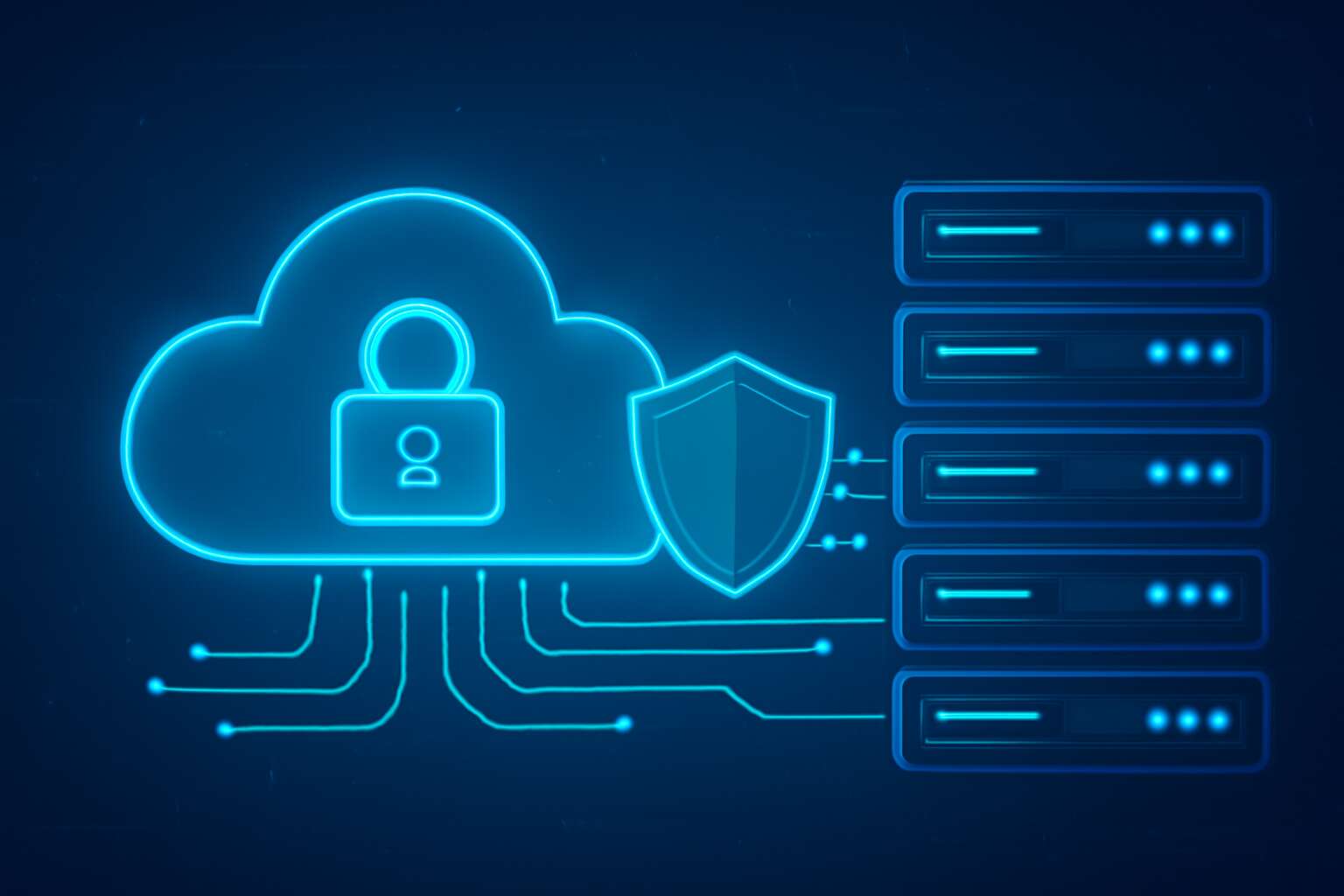
Cloud hosting security outline
Security foundations for cloud hosting
Two-thirds of South African firms now rely on cloud hosting, yet security remains a constant worry that keeps leaders awake after hours. In the quiet, security isn’t a buzzword but a daily discipline that shapes trust and community.
Security foundations for cloud hosting are layered and resilient, built on governance, data control, and continuous oversight.
- Data encryption at rest and in transit with robust, rotate-able keys
- Identity and access management with least-privilege controls and multi-factor authentication
- Continuous monitoring and anomaly detection across the cloud estate
South Africa’s privacy landscape (POPIA) elevates data locality and governance; providers increasingly offer data residency within the country. Choosing secure cloud hosting services means balancing speed, compliance, and resilience, with transparent incident reporting and regular security audits.
Data protection and governance in cloud environments
Two-thirds of South African firms now rely on cloud hosting, and the real work begins where trust is earned, not promised. Data protection and governance in cloud environments require clear ownership, defined data lifecycles, and decisions anchored in local law. POPIA is more than a rulebook; it’s a compass that nudges data residency within South Africa and shapes who controls what.
Governance is a daily discipline that makes data work for people, not the other way around.
- Data classification and lifecycle governance
- Vendor risk management and data sovereignty
- Clear audit trails and accountability
Choosing secure cloud hosting services means more than technology; it demands human responsibility, transparent governance, and ongoing evaluation of practices that protect customer trust.
Infrastructure security and threat prevention in the cloud
In South Africa, cloud appetite is soaring — two-thirds of firms now host their data in the cloud. But appetite alone does not guarantee safety. For secure cloud hosting services, infrastructure security and threat prevention must keep pace with ambition, delivering hardened base images, automatic patching, and resilient network design that holds up under load and the odd storm of attack.
- Hardened base images and automatic patch management to keep runtimes robust
- Zero-trust networking and micro-segmentation to confine any breach
- Encryption of data in transit and at rest with centralized key management
- Continuous monitoring, threat detection, and rapid incident response
Ultimately, secure cloud hosting services thrive where humans, processes, and systems synchronize—through disciplined change management, consistent configurations, and a culture that treats security as a feature, not an afterthought.
Compliance, risk management, and legal considerations for cloud hosting
Two-thirds of South African firms now host data in the cloud, and compliance is the new frontline. Secure cloud hosting services succeed when governance is baked in from day one—an anchor that keeps regulators satisfied and audits clean.
Compliance, risk management, and legal considerations shape every deployment. POPIA and data sovereignty rules govern how data is stored and processed; contracts should spell out data processing, audits, and liability. Align with recognized frameworks to reduce ambiguity and risk.

- Data localization and cross-border transfers
- Data Processing Agreement, SLAs, and audit rights
- Incident response, breach notification, and regulatory reporting
Ultimately, the legal and compliance posture sits alongside people and process discipline, ensuring secure cloud hosting services remains a trusted base for SA businesses.
Performance, reliability, and security tradeoffs in cloud services
Clouds are not just shelves for servers; they are weather systems for business, where performance fuels momentum and reliability keeps operations steady even when storms roll in.
In practice, secure cloud hosting services balance performance, reliability, and security tradeoffs as you scale—latency, cost, and control all playing their part.
- Latency versus throughput and global reach
- Cost efficiency vs. resilience and redundancy
- Automation and speed versus granular control
For South African businesses, the true harvest lies in a system that weaves speed with safeguards, turning potential risk into enduring trust.